AI Voice Cloning: Post-Tax Refund Extortion and Digital Fraud Trends
Article Content
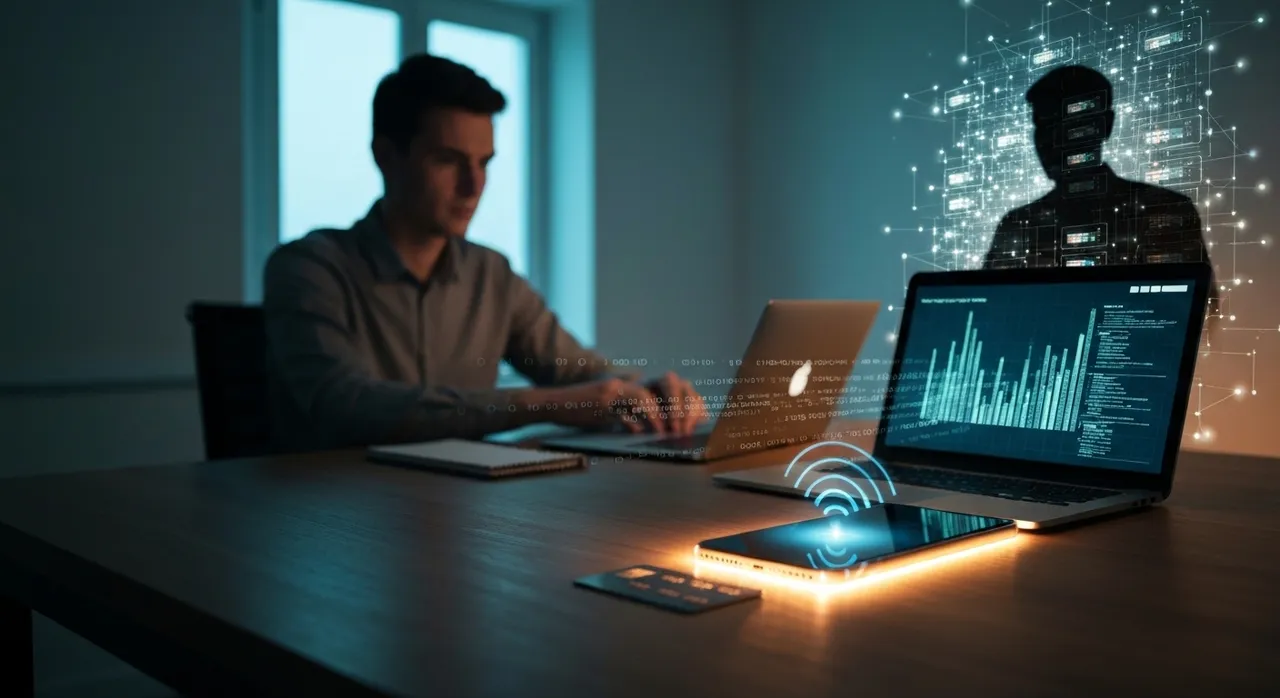
The digital threat landscape of 2026 has reached a definitive inflection point. Seven days after the U.S. federal tax filing deadline, the SENTINEL-FRAUD assessment issued on April 22, 2026, confirms that the “indistinguishable threshold” for synthetic media has officially been crossed. Cybercriminals have abandoned the clumsy, robotic scripts of the early 2020s in favor of a sophisticated post-tax “refund cycle” extortion model, weaponizing AI voice cloning technology that requires as little as three seconds of public audio to compromise both personal and corporate security perimeters.
The Indistinguishable Threshold: The Science of 3-Second AI Voice Cloning
For years, cybersecurity experts warned of a future where synthetic audio would become a perfect mirror of human speech. That future arrived in late 2025. The current 2026 threat environment is defined by “Zero-Shot Text-to-Speech” (TTS) models and neural audio codecs that no longer require hours of training data. Instead, these systems utilize AI voice cloning to analyze the unique prosody, timbre, and subtle breathing patterns of a target from a mere three-second snippet—often harvested from social media reels, LinkedIn videos, or even a brief “hello” on a recorded line.
The technical shift is profound. Previous iterations of voice cloning struggled with emotional resonance and the “uncanny valley” effect of speech. Modern 2026 models, however, incorporate real-time emotional inflection, allowing fraudsters to simulate distress, urgency, or authority with 99.8% biometric accuracy. This has rendered traditional voice-based identity verification (IVR) systems obsolete. According to the SENTINEL-FRAUD report, the “indistinguishable threshold” means that even close family members and long-term business associates can no longer reliably detect a synthetic clone during a live telephonic interaction.
The Democratization of Extortion: Scam-as-a-Service (SaaS)
Perhaps the most alarming development in this high-risk environment is the economic collapse of the barrier to entry. High-fidelity AI voice cloning tools, which once required significant GPU clusters and specialized data science knowledge, are now available via “Scam-as-a-Service” platforms. For as little as $60 per month, low-skill criminals can access encrypted dashboards that offer:
- Instant Clone Generation: Drag-and-drop audio file interfaces.
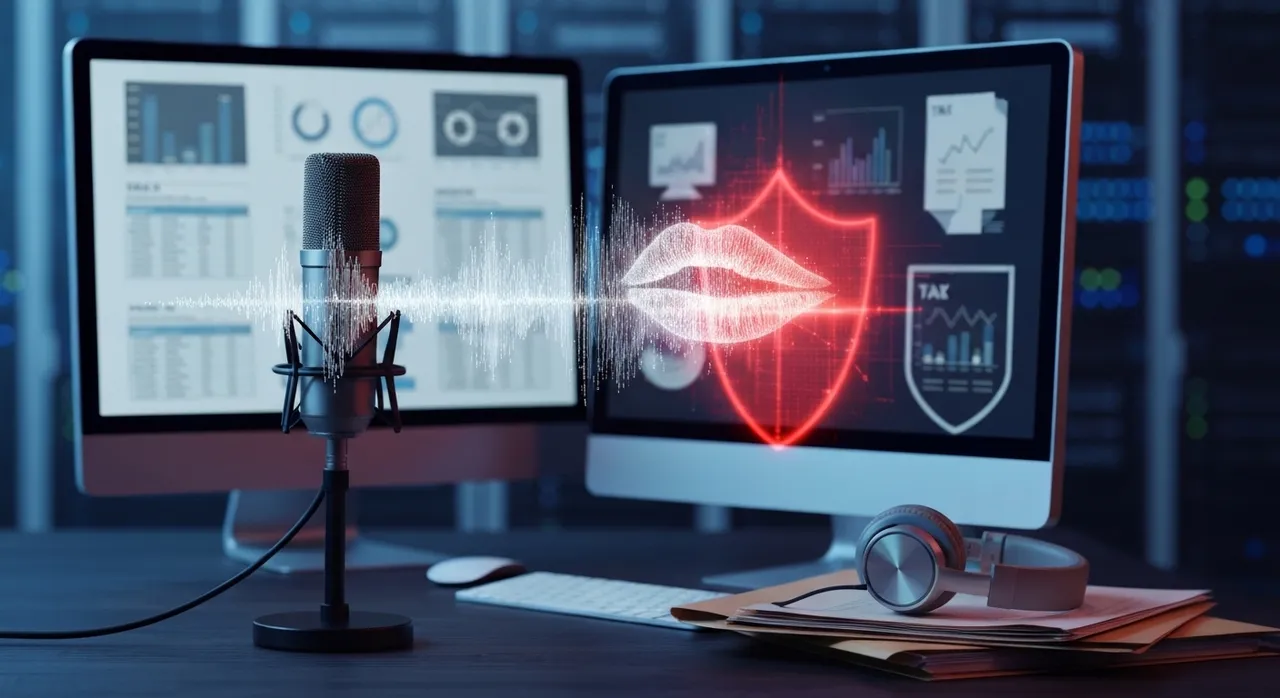
- Live Vishing Overlays: Software that allows a scammer to speak into a microphone while the output is transformed into the target’s voice in real-time.
- Automated Lead Harvesting: Tools that scrape public records for recent tax filers and their immediate family connections.
- Deepfake Video Integration: Seamless pairing of cloned voices with real-time facial manipulation for high-stakes “Zoom-bombing” and corporate wire transfer authorizations.
This industrialization of fraud has led to a massive surge in volume. Authorities have documented over 1,000 AI-generated scam calls per day targeting major financial institutions and high-net-worth individuals. The cost of a successful attack has plummeted, while the potential ROI for the criminal remains in the tens of thousands of dollars per successful “hit.”
Post-Tax “Refund Cycle” Harvesting: A Seasonal Weaponization
The timing of the current SENTINEL-FRAUD alert is not coincidental. As the IRS and state authorities begin processing millions of returns, a psychological window of “expectant vulnerability” opens. Fraudsters have pivoted from the pre-deadline “you owe back taxes” threats to more insidious post-filing “refund-cycle harvesting.”
The “Problem With Your Return” Vector
In this scenario, a victim receives a call from an AI voice cloning replica of a tax professional or an IRS agent. The “agent” claims there is a discrepancy in the return—often citing a missing Form 2439 or a fraudulent capital gains claim—and insists that the refund is being held in a “verification limbo.” The victim is then pressured to provide sensitive data or pay a “processing fee” to release the funds. The use of a familiar voice (such as the victim’s actual CPA, cloned from a firm’s promotional video) bypasses the victim’s rational defenses.
The “Delayed Refund” Verification Notice
This vector utilizes sophisticated phishing emails that lead to AI-powered vishing calls. Victims receive a digital notice about a “delayed refund” and are prompted to call a verification number. Upon calling, they are greeted by a synthetic assistant that sounds perfectly human, capable of navigating complex conversations and harvesting Social Security numbers, bank routing details, and biometric voice prints for future attacks.
Legislative Inquiry: The $900 Million Alarm
The scale of the crisis reached the halls of Congress on April 16, 2026. U.S. legislators, led by Senator Maggie Hassan, initiated a formal inquiry into the five largest providers of AI voice cloning technology. This inquiry followed a staggering report from the FBI’s Internet Crime Complaint Center (IC3), which estimated AI-related fraud losses at nearly $900 million over the past twelve months.
The legislative focus is two-fold: accountability and watermarking. Lawmakers are demanding that AI companies implement “audio provenance” standards—digital signatures that identify a sound file as synthetic. However, the SENTINEL-FRAUD assessment warns that “open-source leakage” of voice models has already occurred, meaning that even if commercial providers comply, criminal elements will continue to use “jailbroken” versions of the software hosted on decentralized servers beyond the reach of U.S. jurisdiction.
The Great Migration: Displacement of Global Scam Hubs
While the technology is digital, the infrastructure remains physical. For years, “compound-based” scam centers in Southeast Asia—specifically in the Mekong region of Cambodia and Myanmar—were the primary engines of global social engineering. However, a coordinated international crackdown involving INTERPOL and regional task forces has forced these syndicates to relocate.
Authorities have identified a massive displacement of these networks to West Africa (specifically Nigeria and Benin) and the Pacific Islands. These new hubs offer a lethal combination of weak local regulatory oversight and high-speed satellite internet connectivity. In these fortified compounds, human trafficking victims are forced to operate the “Scam-as-a-Service” platforms, running AI voice cloning campaigns 24 hours a day against Western targets. This geographic shift makes legal recourse and the recovery of funds nearly impossible for U.S. law enforcement.
The Financial Impact: Corporate and Personal Devastation
The financial ramifications of this new era of extortion are profound. Beyond the $900 million in direct consumer losses, the Business Email Compromise (BEC) landscape has been permanently altered. In early 2026, a high-profile case saw a corporate treasurer authorize a $25.6 million transfer after a video conference where the CFO and multiple board members were all real-time AI deepfakes using cloned voices.
For the average taxpayer, the loss is often life-altering. Elder fraud, in particular, has seen a 37% year-over-year increase. The “Grandparent Scam” has evolved: instead of a stranger claiming a grandchild is in jail, the call now features the actual voice of the grandchild, sounding panicked and crying, demanding immediate crypto-payment for bail. The emotional “amygdala hijack” caused by hearing a loved one in pain is the ultimate tool for bypassing financial common sense.
Defensive Protocols: Reclaiming Trust in a Synthetic World
As AI voice cloning continues to evolve, traditional security measures must be replaced by “zero-trust” communication protocols. The SENTINEL-FRAUD report and CISA guidelines suggest the following mandatory defenses for individuals and organizations:
- The Family Safe Word: Families should establish a non-obvious, unsearchable safe word or phrase. If a family member calls in distress, they must provide the safe word. If they cannot, the call is a confirmed deepfake.
- Out-of-Band (OOB) Authentication: Never authorize a financial transaction or share sensitive data based on a single incoming call or email. Hang up and call the individual back on a known, trusted number saved in your contacts.
- Digital Footprint Reduction: Limit the amount of “clean” audio available publicly. Even a 30-second YouTube video provides enough training data for a high-fidelity clone.
- Hardware Security Keys: For corporate environments, move away from voice or SMS-based multi-factor authentication (MFA) toward physical security keys like YubiKeys, which cannot be social-engineered by an AI.
Conclusion: The Future of Auditory Reality
The SENTINEL-FRAUD alert of April 22, 2026, is more than just a seasonal warning; it is a declaration that the era of “trusting your ears” is over. The convergence of AI voice cloning, the post-tax refund cycle, and the globalization of scam compounds represents a systemic threat to the integrity of digital communication. As we move further into 2026, the burden of proof has shifted. In the absence of legislative “kill switches” or foolproof detection software, the only viable defense is a rigorous, protocol-driven approach to every digital interaction. In a world where the voice of a child or a CEO can be rented for $60 a month, skepticism is no longer a choice—it is a necessity for financial survival.
Written by
TempMail Ninja
Digital privacy and online security expert. Passionate about creating tools that protect users' identity on the internet.