Android 17 Privacy Overhaul: Secure Contact Pickers Launched
Article Content
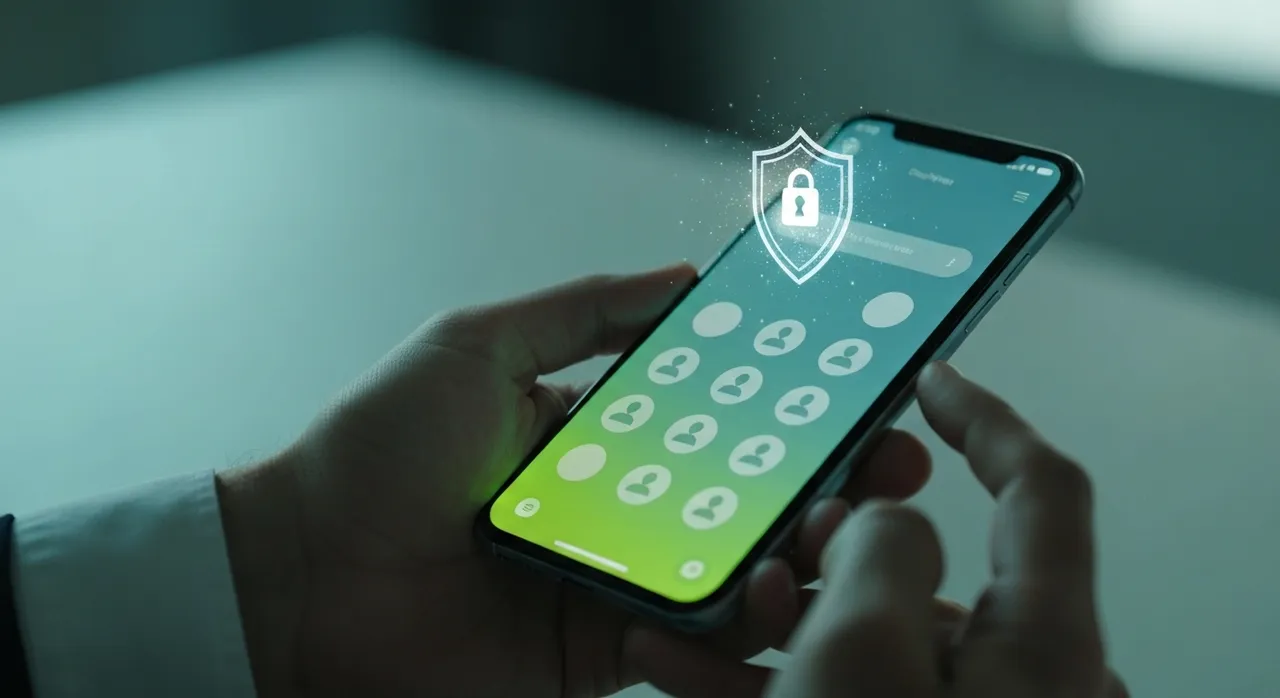
The digital landscape of 2026 has reached a definitive turning point in the battle for user data sovereignty. On April 17, 2026, Google formally unveiled a comprehensive **Android 17 Privacy** overhaul that fundamentally dismantles one of the most persistent security risks in the mobile ecosystem: the “all-or-nothing” approach to contact permissions. For over a decade, the READ_CONTACTS permission has acted as a skeleton key, granting applications unfettered access to a user’s entire social graph. With the introduction of the Secure Contact Picker, Android 17 (API Level 37) marks the end of this era, replacing broad database access with a system-mediated, granular interface that prioritizes the principle of “least privilege.”
The Legacy of Over-Permissioning: Why Android 17 Privacy is Necessary
To understand the magnitude of this shift, one must look at the historical vulnerability of the Android address book. Historically, if a user wanted to share a single phone number with a delivery app or invite one friend to a social platform, the app was forced to request the READ_CONTACTS permission. Once granted, the app could—and frequently did—scrape the entire database, including names, physical addresses, email histories, and even private notes.
This “permission bloat” became a primary vector for data scraping and the unauthorized sale of contact lists to third-party brokers. In 2025 alone, security audits revealed that thousands of “free” utilities used this access to build shadow profiles of non-users. The Android 17 Privacy initiative is a direct architectural response to these concerns, shifting the trust boundary from the third-party application to the operating system itself.
The Architecture of the Secure Contact Picker
The Secure Contact Picker is not merely a UI update; it is a fundamental re-engineering of how data moves between the system and the app. Much like the Photo Picker introduced in earlier versions of Android, the Contact Picker operates as a system-mediated component. When an app needs contact information, it no longer queries the database directly. Instead, it triggers a system intent—Intent.ACTION_PICK_CONTACTS—which opens a secure, searchable interface managed entirely by the Android OS.
Key technical components of this new architecture include:
- System Mediation: The app never “sees” the full contact list. The user interacts with the system UI to select specific entries.
- Session URIs: Upon selection, the system returns a temporary Session URI to the app. This URI provides read-only access to the specific data selected.
- Time-Limited Access: Access to the data via the Session URI is temporary. Once the app process is terminated or the session expires, the link to the data is severed, preventing apps from “background harvesting” contact updates.
- IPC Isolation: The picker runs in a separate process, ensuring that even if an app is compromised, the attacker cannot use the app’s permissions to hijack the picker interface.
Granular Control: Sharing Fields, Not Just Records
One of the most innovative features of the Android 17 Privacy framework is the ability to restrict access at the field level. In previous iterations, even a “single contact” selection would reveal every piece of data associated with that person. Android 17 allows developers to specify exactly which fields they need through the use of MIME types defined in ContactsContract.CommonDataKinds.
For instance, if a peer-to-peer payment app only requires a phone number to process a transaction, the developer can now use EXTRA_REQUESTED_DATA_FIELDS to limit the picker to Phone.CONTENT_ITEM_TYPE. The user then sees an interface where they can select a contact’s mobile number without ever exposing that contact’s home address or work email. This minimized permission footprint ensures that apps are no longer “accidental” custodians of sensitive data they don’t actually need.
A Shift in Developer Responsibility
For the developer community, this change is mandatory. Google has announced that by late May 2026, all apps targeting Android 17 must transition to this native picker for one-time contact selection tasks. Apps that continue to demand READ_CONTACTS for simple sharing features will face rejection from the Play Store. However, Google is providing a path for legitimate exceptions. Apps that require full, persistent access to the address book—such as specialized CRM tools or dialer replacements—must submit a Play Developer Declaration by October 27, 2026, providing a rigorous justification for why the Secure Contact Picker is insufficient for their core functionality.
The War on “Shadow” Marketplaces: Securing App Ownership
Beyond the contact picker, the Android 17 Privacy overhaul takes aim at a long-standing vector for fraud: the unauthorized transfer of app ownership. For years, “shadow” marketplaces have allowed developers to sell their apps and user bases to third parties. These transfers often involved the sharing of developer credentials or the use of non-secure, third-party platforms to move app assets. Once an app was sold, the new owners frequently used existing permissions—like contact or location access—to inject malware or scrape data under the guise of the previous, trusted developer.
Effective May 27, 2026, Google is mandating the use of a new Native Account and Contact Transfer system within the Play Console. This policy effectively bans the practice of credential sharing and unofficial transfers. The new system includes several security layers:
- Mandatory 7-Day Cool-Down: Every transfer includes a security period where the original team can spot and cancel unauthorized takeover attempts.
- Verified Identity: Both the transferor and the transferee must undergo enhanced identity verification, including the provision of a DUNS number for business entities.
- Permission Resetting: The system will flag apps that change ownership, potentially prompting users to re-authorize sensitive permissions if the app’s data collection behavior changes significantly after the sale.
This move is designed to protect users from “Trojan horse” updates, where a trusted app suddenly becomes malicious after a quiet ownership change.
Advanced Protection and AI Integration
The Android 17 Privacy updates are bolstered by the deeper integration of Gemini AI within the Android safety layer. According to Google’s April 17 announcement, Gemini is now being used to scan billions of app interactions in real-time to detect “permission coercion.” This occurs when an app attempts to trick or pressure a user into bypassing the Secure Contact Picker in favor of broad READ_CONTACTS access.
Additionally, Android 17 introduces Advanced Protection Mode (AAPM). This opt-in feature is designed for high-risk users—such as journalists, activists, or corporate executives—and enforces the strictest possible privacy settings by default. Under AAPM, the READ_CONTACTS permission is almost entirely disabled, and the Secure Contact Picker becomes the exclusive method for any app to interact with the address book, regardless of the app’s legacy settings.
Network Privacy: Encrypted Client Hello (ECH)
Technical depth in Android 17 extends to the network layer with the introduction of Encrypted Client Hello (ECH). While not directly related to the Contact Picker, ECH is a critical component of the broader privacy overhaul. It encrypts the Server Name Indication (SNI) during the TLS handshake, preventing network observers—including ISPs and public Wi-Fi providers—from seeing which specific domains an app is communicating with. This prevents the “metadata profiling” that often accompanies app usage, where even if data is encrypted, the mere knowledge of which services a user contacts can be used to deanonymize them.
Timeline for Global Compliance
The transition to the Android 17 Privacy standard is occurring on an aggressive timeline to ensure the ecosystem is secured before the holiday cycle of 2026. Developers should take note of the following milestones:
- April 17, 2026: Official announcement of the policy and release of the Android 17 Beta 4.
- May 27, 2026: Enforcement of the Native Account and Contact Transfer system begins; unofficial transfers are officially banned.
- August 2026: Expected stable release of Android 17 alongside new flagship hardware.
- October 27, 2026: Deadline for submitting Play Developer Declarations for apps requiring full
READ_CONTACTSaccess.
Conclusion: Setting a New Standard for the Mobile Industry
The Android 17 Privacy overhaul represents a paradigm shift in how mobile operating systems handle the most personal of data: our relationships. By engineering the Secure Contact Picker as a mandatory intermediary, Google is effectively ending the “data gold rush” that turned user address books into a commodity. While the transition may require significant effort from developers—particularly those accustomed to broad permission sets—the result is a more resilient, transparent, and trustworthy ecosystem.
As we move toward a future where AI-driven agents and complex data interactions are the norm, the granular protections introduced in Android 17 provide the necessary foundation for user safety. By eliminating the broad READ_CONTACTS permission and securing the app ownership pipeline, Android 17 isn’t just an update; it’s a declaration that privacy is no longer a luxury—it is a system requirement.
Written by
TempMail Ninja
Digital privacy and online security expert. Passionate about creating tools that protect users' identity on the internet.