Booking.com data breach: Unauthorized access to customer reservations
Article Content
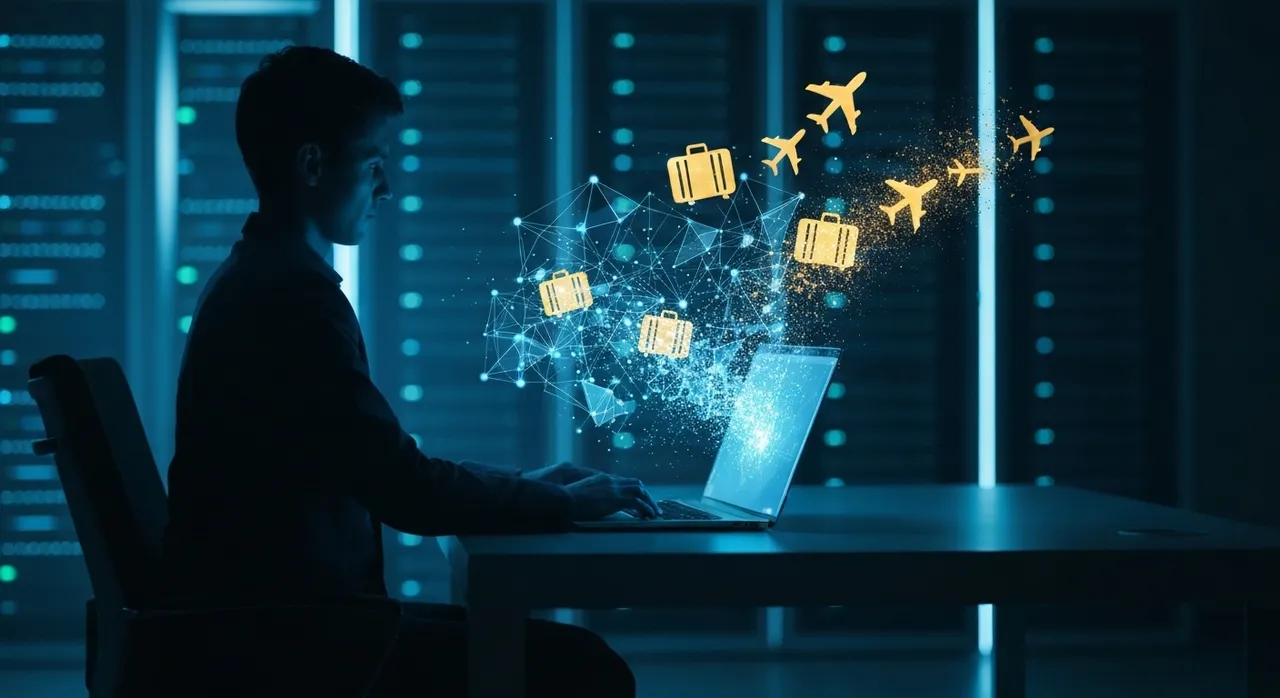
On April 14, 2026, the digital travel landscape faced a significant security hurdle as Booking.com issued urgent notifications to a portion of its user base. The company revealed that unauthorized third parties had gained access to reservation data, following the detection of “suspicious activity” over the preceding weekend. While the organization maintains that no financial payment information was compromised, the incident has reignited critical discussions regarding data privacy, the vulnerability of the travel ecosystem, and the escalating sophistication of targeted social engineering campaigns.
Understanding the Scope of the Booking.com Data Breach
The Booking.com data breach, while contained by the company’s internal security teams, highlights the persistent tension between convenience in online travel booking and the necessity of robust data protection. According to official communications, the unauthorized access allowed intruders to view a specific, albeit undisclosed, number of reservation records. The compromised information includes:
- Full names of travelers associated with the bookings.
- Email addresses used for platform communication.
- Phone numbers linked to individual reservations.
- Physical addresses provided in reservation profiles.
- Specific reservation details, including dates and property information.
- Direct communications shared between travelers and accommodation providers via the platform’s messaging system.
Crucially, the company has clarified that its primary core systems were not fully breached in a way that exposed global user credentials. Instead, the incident appears to have centered on unauthorized access to guest reservation data. In a swift response, Booking.com has forcibly reset the PIN numbers for all impacted reservations to prevent further unauthorized manipulation. However, the exposure of conversational data—messages exchanged between guests and hotels—represents a significant privacy risk, as these threads often contain contextual details that can be leveraged to craft highly convincing fraudulent communications.
The Evolution of “ClickFix” and Targeted Phishing
Security analysts are particularly concerned about the secondary consequences of this breach. While the stolen data does not include credit card numbers, it is arguably more dangerous in the hands of sophisticated threat actors due to its utility in social engineering. The industry has been tracking a specific, malicious methodology known as “ClickFix”, which is highly effective because it relies on manipulating human psychology rather than just technical vulnerabilities.
How ClickFix Attacks Operate
The ClickFix technique, which has been widely documented in relation to the hospitality sector, typically follows a multi-stage attack chain designed to evade conventional security filters:
- The Lure: An attacker sends a highly tailored phishing email or message, often appearing to come directly from the booking platform or an accommodation partner. These messages cite actual reservation details—such as the hotel name, check-in dates, and the customer’s name—which were obtained during the breach.
- The False Urgency: The message instructs the user to take action, such as “verifying” the booking to avoid cancellation, resolving a payment discrepancy, or updating personal details before arrival.
- The Deceptive Prompt: The user is directed to a malicious, but highly convincing, clone website. Here, the site presents a fake CAPTCHA or error message. Users are told that to “fix” the issue, they must follow specific instructions, such as opening the Windows “Run” dialog and pasting a specific command.
- Execution: By following these instructions, the user unwittingly executes a command that downloads and installs a remote access trojan (RAT) or an information stealer, granting the attacker persistent, unauthorized access to the victim’s machine.
Because the initial communication contains accurate information stolen from the Booking.com data breach, victims are far more likely to trust the legitimacy of the phishing request. This creates a dangerous loop where the stolen data enables the next generation of attacks, which in turn aim to steal financial information, login credentials, or even complete control over the user’s endpoint device.
Proactive Defensive Strategies for Travelers
In the wake of this incident, it is imperative for travelers and users of online travel platforms to adopt a “zero-trust” approach to digital communications. Reliance on the security measures of third-party platforms is no longer sufficient; individuals must take personal ownership of their digital hygiene.
Recommended Security Best Practices
To mitigate the risks stemming from this breach and similar future incidents, users should implement the following security measures immediately:
- Mandatory 2FA Implementation: Enable advanced, app-based or hardware-based multi-factor authentication (MFA/2FA) on all travel and financial accounts. Avoid reliance on SMS-based codes where possible, as they are susceptible to SIM-swapping attacks.
- Credential Segregation: Ensure that the email address and password used for Booking.com are not reused elsewhere. If you have used the same credentials on other platforms, update those passwords immediately using a dedicated, reputable password manager.
- Scrutinize All Communications: Be extremely skeptical of any “urgent” requests regarding your reservation, regardless of how official the sender looks. Legitimate platforms will rarely, if ever, ask you to copy-paste commands or perform technical “fixes” via the browser.
- Monitor for Spear-Phishing: Be aware that scammers may now attempt to call or WhatsApp you, using your name and reservation details to gain your trust. Never provide payment information over these channels, especially if the request involves a non-standard payment method or bank transfer.
- Endpoint Hygiene: Keep your operating system and browsers updated to the latest security patches. Antivirus and endpoint detection software should be active and configured to monitor for suspicious process execution, particularly involving utilities like mshta.exe or PowerShell, which are frequently abused by “living-off-the-land” (LotL) malware tactics.
The Broader Impact on the Travel Industry
The Booking.com data breach serves as a stark reminder of the attractiveness of the travel industry as a high-value target for cybercriminals. The sector deals in a massive volume of high-sensitivity data, including passport information, travel itineraries, and payment details. As digital transformation continues to integrate various services—flights, hotels, transport, and local experiences—the attack surface for these platforms expands significantly.
For large organizations like Booking.com, this incident brings substantial operational costs, including the necessity of intensive incident response, potential regulatory inquiries regarding data privacy compliance, and, perhaps most damaging, the erosion of consumer trust. In an era where competitive alternatives are just a click away, the reputation cost of a security lapse can be far more damaging than the immediate technical remediation costs.
Furthermore, this incident underscores the risk inherent in the interconnected nature of the travel ecosystem. Hotels, booking platforms, and travel agents share data constantly. A breach at one point in the chain can often have cascading effects, exposing customers whose data has traveled through multiple intermediaries. Moving forward, the industry must prioritize end-to-end encryption of all customer data, stringent vetting of partner integrations, and a greater commitment to transparency when security incidents occur.
As the digital landscape evolves, so too will the tactics employed by threat actors. Users must recognize that in the post-breach environment, the greatest threat is not always the initial exposure, but the secondary, highly targeted phishing attempts that follow. By remaining vigilant, utilizing multi-factor authentication, and viewing all unsolicited requests with suspicion, travelers can effectively shield themselves from the fallout of such security events.
Written by
TempMail Ninja
Digital privacy and online security expert. Passionate about creating tools that protect users' identity on the internet.