Cross-platform RCS encryption: Apple and Google Launch Global E2EE
Article Content
The date May 12, 2026, will likely be remembered by cybersecurity historians as the day the “Berlin Wall” of mobile messaging finally collapsed. For over a decade, the divide between iOS and Android users was defined not just by the color of a chat bubble, but by a fundamental disparity in digital safety. While iMessage and Google Messages offered robust security within their own ecosystems, any communication crossing the OS divide defaulted to the antiquated, insecure SMS/MMS protocols. Today, that era ends. With the global rollout of cross-platform RCS encryption, Apple and Google have fundamentally rewritten the rules of mobile privacy.
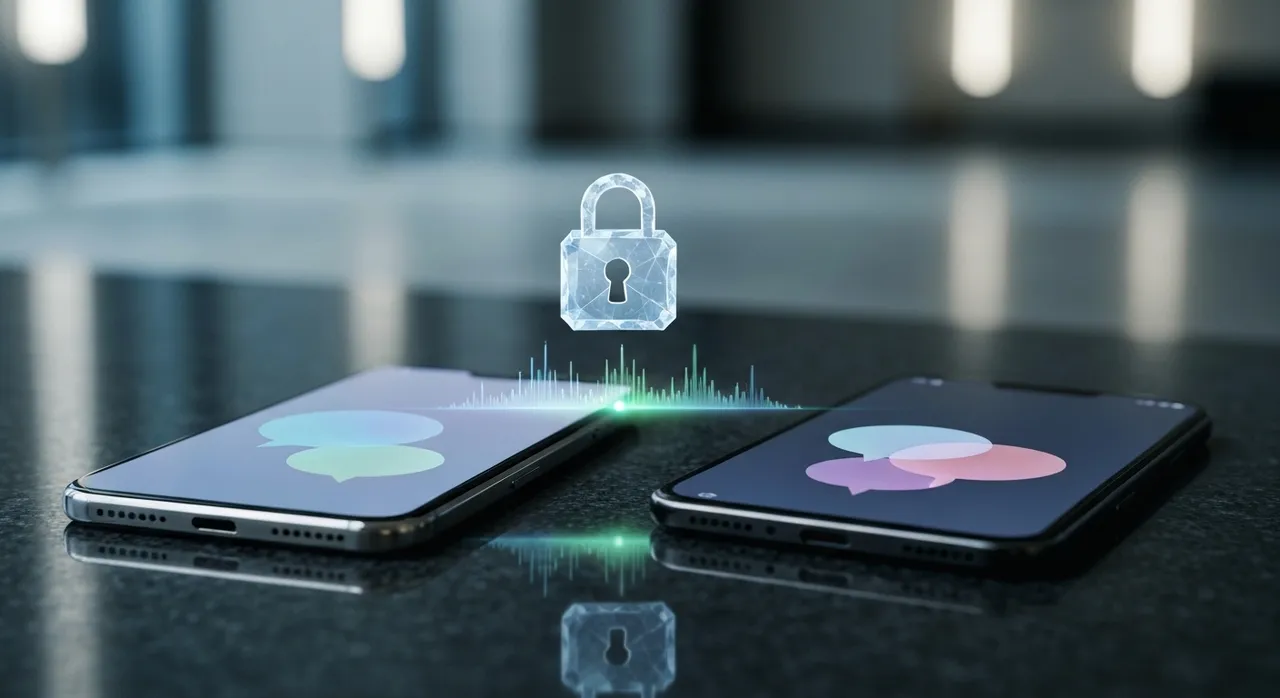
This coordinated release, delivered via iOS 26.5 and a synchronized update to the Google Messages framework, introduces interoperable end-to-end encryption (E2EE) based on the RCS Universal Profile 3.0. It is a technical milestone that ensures that a high-resolution video or a sensitive text sent from an iPhone 17 to a Pixel 10 is as secure as a message sent within the same brand’s ecosystem. For the “Ninja Editor,” this isn’t just a software update; it is a tectonic shift in the surveillance-resistance landscape of the modern world.
The Technical Architecture of Universal Profile 3.0
To understand the gravity of this rollout, one must look beneath the surface of the user interface. Previous attempts at E2EE for RCS were largely proprietary. Google’s implementation of encryption in Google Messages relied on a custom layer built on top of the Signal Protocol, which worked perfectly as long as both users were on Android. However, because this wasn’t part of the GSMA’s official RCS standard, Apple had no technical bridge to connect iMessage to it safely.
Universal Profile 3.0 is the breakthrough. This version of the Rich Communication Services standard integrates Messaging Layer Security (MLS), a protocol specifically designed to provide efficient, end-to-end security for groups and one-on-one chats in a way that is vendor-neutral. By adopting this standard, Apple and Google have agreed on a shared cryptographic language. When you send a message, the key exchange happens at the protocol level, independent of the servers owned by Cupertino or Mountain View. This means that cross-platform RCS encryption is no longer a “hack” or a third-party workaround; it is the native architecture of the mobile phone’s dialer-adjacent messaging app.
Breaking the Metadata Monopoly
One of the most significant, yet under-reported, aspects of this update is the radical reduction in metadata visibility. Under the old SMS/MMS system, mobile carriers (ISPs) could see exactly when a message was sent, who sent it, and the size of the file attached. Because the content was unencrypted, the “metadata trail” was a goldmine for advertisers and law enforcement agencies operating without warrants.
The new cross-platform RCS encryption implementation “scrambles” not just the text content, but the tactical metadata signals. Features that users take for granted—such as typing indicators, read receipts, and high-resolution media headers—are now wrapped in the encrypted envelope. A carrier can see that a data packet is moving from User A to User B, but they can no longer distinguish if that packet contains a sensitive legal document or a simple “Hello.” This effectively turns wireless carriers into “dumb pipes,” stripping them of the ability to profile users based on their communication habits.
How to Audit Your Privacy: iOS 26.5 and Android Configuration
While the rollout is designed to be seamless, the “Ninja Editor” recommendation is to never trust, but always verify. The transition to cross-platform RCS encryption requires specific software versions and carrier-side activation. Here is how to ensure your device is locked down.
- On iPhone (iOS 26.5): Navigate to Settings > Messages > RCS Messaging. You will see a new toggle labeled “End-to-End Encryption (Beta)”. While this is toggled “On” by default in the 26.5 release, users in regions with restrictive carrier policies may find it grayed out. If the toggle is active, your iPhone is ready to negotiate cryptographic keys with Android devices.
- On Android: Ensure you are running the latest version of Google Messages from the Play Store. Unlike iOS, Google integrates these updates through the app itself rather than a full OS patch. In Settings > RCS Chats, look for the “Status: Connected” indicator, which should now include a “Verified Encryption” badge.
Identifying the “Lock Icon”
Visual cues are the first line of defense for the average user. Apple and Google have reached a rare design consensus by introducing a unified “lock icon”. This icon appears in two critical locations:
- The Input Field: Before you even type a character, the “RCS Message” placeholder text will feature a small padlock symbol. This indicates that the handshake between your device and the recipient’s device has been successfully completed.
- Message Timestamps: Once a message is sent, tapping the timestamp will reveal the encryption status. If the lock is present, the message was delivered via cross-platform RCS encryption.
If you see the “RCS” label without the lock icon, the conversation is falling back to standard, unencrypted RCS. This usually happens if one party is using an older operating system or if the carrier has not yet updated their IMS (IP Multimedia Subsystem) core to support Universal Profile 3.0.
The Competitive Landscape: Why RCS Now?
The timing of this rollout is not coincidental. On May 8, 2026, just days before this launch, Meta discontinued optional E2EE for Instagram DMs in certain jurisdictions, citing regulatory complexities. This left a massive vacuum in the market for users who want “default-on” privacy without the friction of inviting friends to a third-party app like Signal or WhatsApp.
Furthermore, the European Union’s Digital Markets Act (DMA) has placed immense pressure on “gatekeepers” to ensure interoperability. By standardizing cross-platform RCS encryption, Apple and Google are effectively pre-empting further regulatory fines. They are proving that they can provide a secure, interoperable “public square” for messaging that rivals the privacy of dedicated encrypted apps while maintaining the convenience of being tied to a phone number.
Impact on Third-Party Encrypted Apps
Does this update kill Signal or WhatsApp? Not necessarily. While cross-platform RCS encryption secures the transport of messages, third-party apps still offer “niche” privacy features that RCS currently lacks, such as:
- Self-Destructing Messages: RCS 3.0 has limited support for ephemeral messaging compared to Signal’s robust implementation.
- Sealed Sender: RCS still requires some level of identity verification via a phone number, whereas other apps are moving toward username-based anonymity.
- Independent Auditing: While the RCS standard is open, the specific implementations by Apple and Google remain proprietary codebases, unlike the open-source nature of Signal.
However, for the 90% of the population that uses the default messaging app, the shift to cross-platform RCS encryption represents the single largest jump in consumer privacy in the history of the smartphone.
Security Implications for Law Enforcement and Carriers
The move to cross-platform RCS encryption creates a “black box” that will undoubtedly frustrate certain government agencies. In the SMS era, a simple subpoena to a carrier like Verizon or Vodafone would grant access to a suspect’s entire text history. With E2EE, that is no longer possible. Since the encryption keys are stored on the users’ devices (the “endpoints”), the service providers—Apple, Google, and the carriers—simply do not have the technical means to decrypt the content, even when served with a legal warrant.
Strong encryption has always been a point of contention, but by building it into the global RCS standard, Apple and Google have made privacy the default state rather than an opt-in luxury. This “security by design” approach protects activists, journalists, and corporate whistleblowers who frequently communicate across different device platforms. The metadata protections are particularly vital here, as they prevent the “pattern analysis” that is often used to track the movements and associations of protected classes.
Conclusion: The End of the Security Gap
The rollout of cross-platform RCS encryption on May 12, 2026, marks the end of an era where choosing a phone meant choosing a level of safety for your contacts. The “green bubble” might still exist as a marketing tool for Apple, but it is no longer a badge of technical inferiority or a vulnerability to be exploited.
As we move deeper into 2026, the success of this rollout will depend on carrier adoption. While iOS 26.5 and Google Messages provide the software “brains,” the global cellular infrastructure must provide the “nervous system.” For now, users should prioritize the iOS 26.5 update and look for that unified lock icon. In the world of the Ninja Editor, information is power, but encrypted information is freedom. This update is a massive win for the latter.
Written by
TempMail Ninja
Digital privacy and online security expert. Passionate about creating tools that protect users' identity on the internet.