Norfolk Nessie Bronze Artifact Found at Roman Villa Site
Article Content
In the vast, verdant fields of Norfolk, England, the intersection of modern infrastructure and ancient history has produced a sensation that defies the typical, dusty narrative of archaeological field reports. While conducting salvage excavations ahead of a massive offshore wind farm project, archaeologists unearthed a structure that has not only captivated the academic community but has ignited a firestorm of fascination across the digital landscape. Among the wreckage of a Roman villa lies an artifact so strangely familiar in its form that it has been dubbed the “Norfolk Nessie”, a name that bridges the gap between serious historical inquiry and the enduring pull of cryptozoological myth.
The Archaeological Context of the Dereham Find
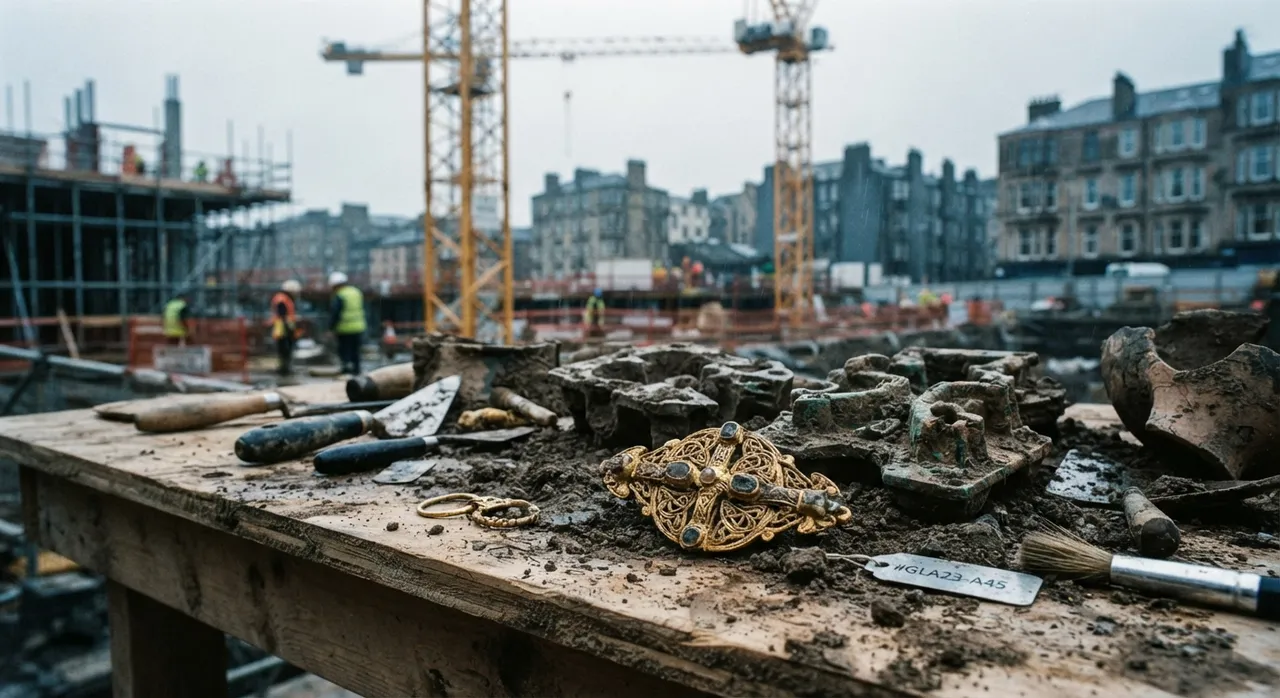
The discovery was not the result of a targeted excavation aimed at uncovering buried treasures, but rather a byproduct of the infrastructure required to power the future. Energy company RWE, as part of its expansive Vanguard West, East, and Boreas wind farm developments, commissioned an extensive archaeological survey along a planned 40-mile underground cable route stretching from Happisburgh to Necton. This process is standard procedure in modern Britain, ensuring that the march of renewable energy progress does not irrevocably damage the nation’s buried heritage.
Archaeologists from Headland Archaeology, working under the guidance of historical maps and records, initially expected minimal findings in the fields near Dereham. However, the ground told a different story. Using magnetometry—a non-invasive geophysical survey technique that detects variations in the magnetic field caused by buried features—the team identified anomalies in the soil composition. Subsequent trial trenching in 2021 revealed something far more substantial than mere agricultural debris: a Roman villa, a sophisticated estate that had sat quietly for nearly two millennia.
The site, as revealed by excavation, was a testament to Roman-British wealth and structural ingenuity. The villa, constructed in distinct phases between the 1st and 3rd centuries AD, reached an impressive 36 meters in length. Beyond the primary residence, the footprint indicated a sprawling agricultural estate complete with a bathhouse, ancillary buildings, and a clear Roman road network. The evidence points to a high-status farming operation that thrived for centuries, with occupation even extending back into the Iron Age.
Anatomy of the “Norfolk Nessie”
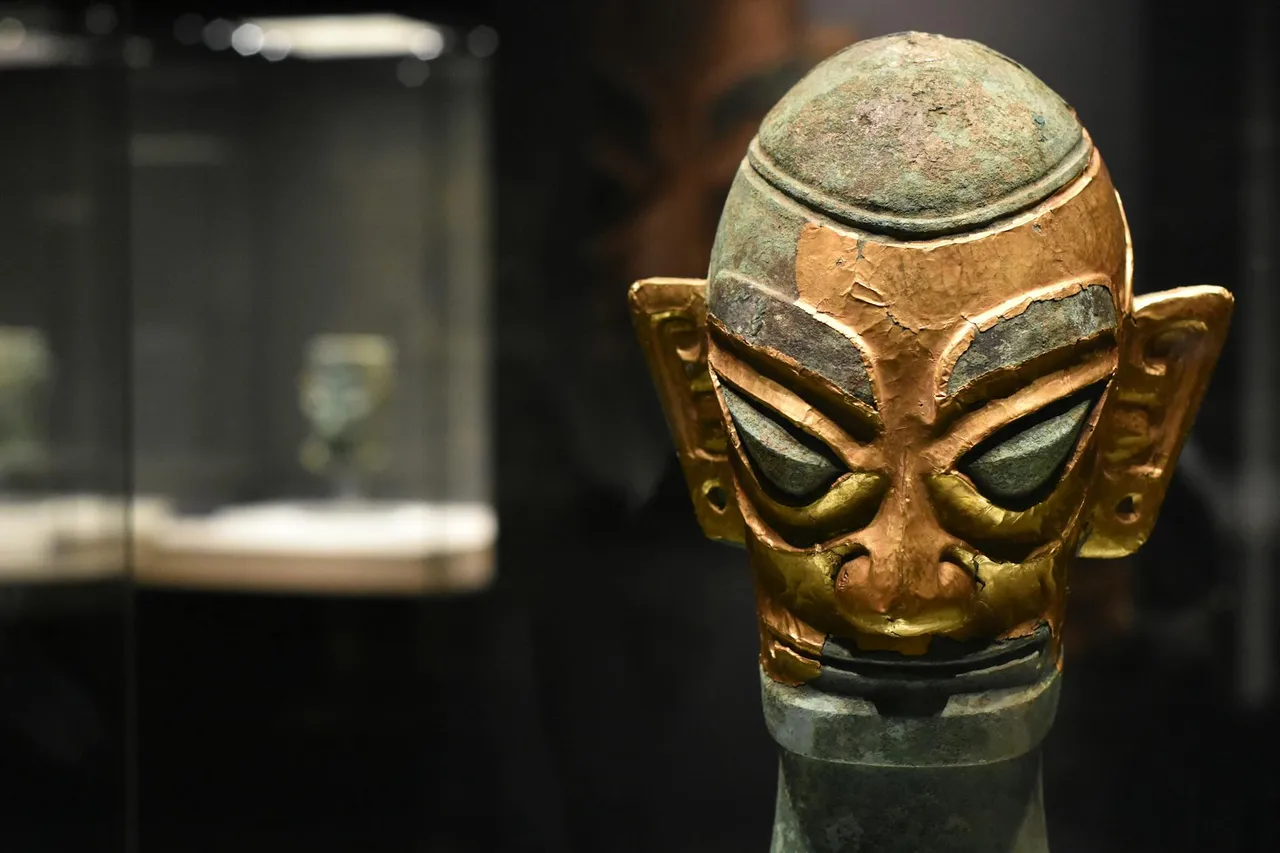
While the architectural discovery of the villa is a significant boon for regional history, the viral phenomenon known as the “Norfolk Nessie” stole the spotlight. The artifact is, in technical terms, a highly ornate bronze vessel handle. Its design, however, is what propelled it into the modern cultural consciousness.
The handle features a sinuous, serpentine form—a curved neck-like protrusion that seems to glide out of the bronze material. Combined with an eerie, distinctive green patina caused by centuries of oxidation in the acidic Norfolk soil, the object bears a striking visual resemblance to the most popular, long-necked depictions of the Loch Ness Monster. In a digital age where visual similarity often trumps academic nuance, the object was instantly christened the “Norfolk Nessie” by both the archaeological team and the internet at large.
Experts are quick to emphasize that there is absolutely no historical or cultural connection between this Roman handle and the 6th-century origin story of the Scottish highland legend. In the Roman context, such artistic flourishes on functional items were commonplace. Roman artisans frequently drew inspiration from mythology and the natural world, often incorporating animal motifs—ranging from lions to sea serpents—into their furniture, lighting, and kitchenware. The “Norfolk Nessie” is likely a piece of domestic luxury, a testament to the aesthetic standards of a Romano-British household that prized both utility and artistry.
Beyond the Serpent: A Wealth of Roman-British Life
While the serpentine handle has captured the viral spotlight, the site at Dereham yielded a treasure trove of artifacts that provide granular detail on the lives of those who occupied this villa. These finds include:
- A Bronze Lion’s Head: An ornate tripod foot, likely belonging to an elegant piece of furniture like a chair or a couch, indicating a level of comfort and social status common to villa-dwelling families.
- Inscribed Silver Ring: An artifact of personal adornment that, remarkably, includes graffiti, providing a rare, intimate connection to a specific individual from the Roman era.
- Domestic Implements: A collection of copper alloy hairpins, nail cleaners, and a brooch, all signaling the material wealth and personal grooming standards of the site’s occupants.
- Faunal Remains: Evidence of cats and dogs, suggesting these animals were kept not just as working animals to manage pests, but likely as household companions.
- Military Belt Mount: A piece hinting at the potential presence or influence of the Roman military in the region.
- Iceni Coin: Perhaps the most historically poignant find, a coin minted during the reign of Queen Boudica, the leader of the Iceni tribe who orchestrated a legendary, bloody revolt against Roman occupiers around 60 AD. Its presence suggests the complexity of the region’s transition from indigenous rule to Roman subjugation.
The Intersection of Archaeology and Digital Culture
The rapid rise to viral fame of the “Norfolk Nessie” serves as a fascinating case study in how the public engages with history in the 21st century. Archaeology is frequently perceived as a niche, highly technical, and often dull academic pursuit. Yet, the moment a discovery intersects with a known pop-culture trope, it is propelled into the mainstream discourse.
The “Norfolk Nessie” narrative succeeds because it offers an accessible “hook.” By playfully engaging with the Loch Ness Monster connection—even while debunking it—archaeologists have managed to make an otherwise dry report about cable trenches and Roman foundation stones feel vital and exciting to a global audience. This engagement is crucial. When the public is interested in the objects, they are more likely to be interested in the preservation of the sites themselves.
RWE’s decision to showcase these findings via public events and virtual tours further bridges this gap. By inviting local schools and residents to interact with these ancient remnants, the project has effectively transformed an industrial construction site into an educational bridge between the present and the deep past. It reinforces the idea that these infrastructure projects are not merely about power delivery, but about uncovering the layers of humanity that have shaped the land over millennia.
Conclusion: A Legacy Preserved
As the excavations at the Dereham site concluded, the Roman villa was documented through rigorous digital surveys, photographs, and drawings. In accordance with standard archaeological practice for many such projects, the site has been carefully reburied, preserving the stone ruins beneath the soil for future generations of archaeologists—when perhaps even more sophisticated technologies will exist to study them. The artifacts, including the now-famous bronze handle, have been slated for study and potential curation, where they will serve as physical evidence of the vibrant, complex culture that once flourished in rural Norfolk.
The “Norfolk Nessie” is more than a viral curiosity. It is a bridge between two worlds: the functional, structured reality of Roman-British agrarian life and the whimsical, imaginative world of modern internet culture. It reminds us that history is not just found in textbooks; it is hidden just beneath the surface of the landscapes we inhabit, waiting for the right moment, and the right catalyst, to emerge and tell its story once more.
Tags
Written by
TempMail Ninja
Digital privacy and online security expert. Passionate about creating tools that protect users' identity on the internet.