Recent Phishing Techniques: How to Identify and Protect Yourself
Article Content
In today’s vast digital world, cybersecurity has become a crucial necessity. One of the most common cyber attacks is phishing, a tactic that has become increasingly sophisticated over time. This article details the latest phishing techniques and offers tips on how to identify and protect yourself against them.
Understanding Phishing
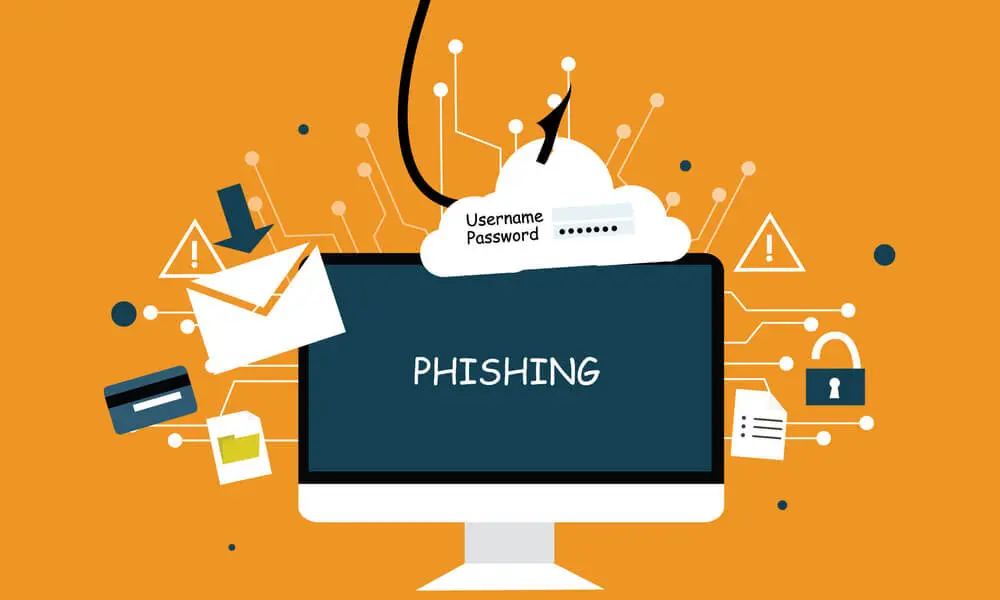
Phishing is a deceptive tactic that cybercriminals use to impersonate a reliable entity in an electronic communication, with the objective of stealing confidential information, such as usernames, passwords, and credit card details. With the continuous development of technology, phishing tactics have evolved and become increasingly sophisticated.
1. Spear Phishing
Spear phishing is a targeted form of phishing. In these cases, attackers customize their emails to make them appear to come from a trustworthy source, such as a colleague or superior. Attackers use the recipient’s personal information, such as their name, position, and specific details that only their colleagues or friends would likely know. The goal is to gain their trust and persuade them to reveal confidential information.
2. Social Media Phishing
Social media phishing is another recent technique used by cybercriminals. In these cases, criminals create fake profiles or clone existing profiles on social media to trick users into revealing their personal information. These attacks can be very effective, as social media users tend to trust their friends and family.
3. Phishing via Text Messages (Smishing)
Smishing is a form of phishing that is carried out through text messages. Attackers send text messages that appear to come from a legitimate company, often with a sense of urgency, to trick recipients into revealing their personal or financial information. Often, these text messages contain a link that, when clicked, installs malware on the recipient’s device or takes them to a fake website where their personal information is collected.
4. Phishing via Search Engines
In this method, cybercriminals create malicious websites and use SEO techniques to make them appear in search engine results. When users visit these sites and provide their personal information, attackers capture this information.
5. Pharming
Pharming is a technique where attackers redirect users to fake websites even when they have entered the correct URL. They do this by corrupting the user’s DNS server, which allows them to redirect users to their fake websites.
How to Protect Yourself
Although phishing tactics are increasingly sophisticated, there are effective ways to protect yourself.
First, you should always verify the authenticity of any communication before providing personal information. This might involve checking the sender’s email address, looking for grammatical errors in the email, and avoiding clicking on suspicious links.
Second, keeping your software and operating systems updated can protect you from many phishing tactics. Many software updates include security patches that fix vulnerabilities that attackers could exploit.
Third, installing and maintaining reliable security software can protect you against phishing attacks by alerting you to malicious websites and links.
Lastly, education is your best defense against phishing. Stay up to date with the latest phishing tactics and learn to recognize the signs of a potential attack.
Conclusion
Phishing is a growing threat in our increasingly connected digital world. However, by understanding the latest phishing techniques and taking steps to protect yourself, you can browse the internet safely. Remember, knowledge is your best defense against phishing.
Written by
TempMail Ninja
Digital privacy and online security expert. Passionate about creating tools that protect users' identity on the internet.