YouTube Biometric Tool: New Defense Against AI-Generated Likeness Theft
Article Content
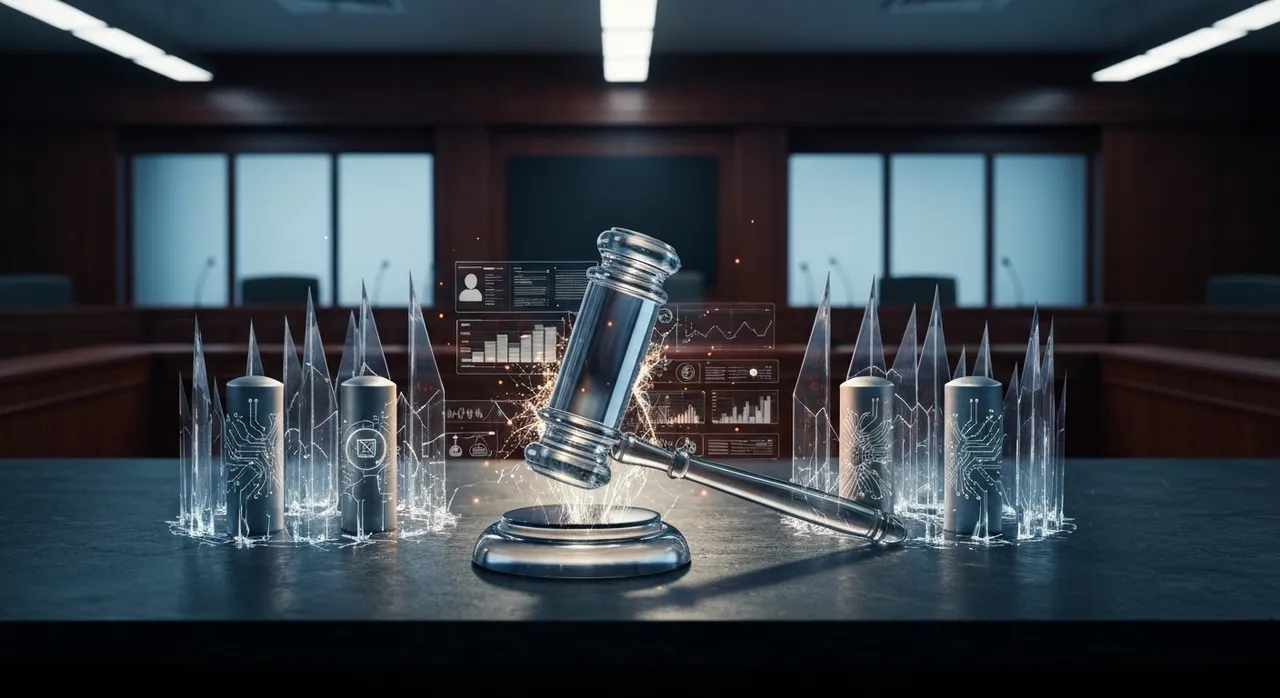
The digital landscape reached a critical inflection point on April 22, 2026, as YouTube officially unveiled a transformative addition to its privacy infrastructure. This new YouTube biometric tool, integrated directly into the platform’s “Privacy Complaint Process,” represents the most aggressive move yet by a major tech firm to combat the unchecked proliferation of AI-generated likeness theft. As synthetic media—often indistinguishable from reality—floods the internet, the ability to “reclaim” one’s digital identity has moved from a niche creator concern to a fundamental human right. By leveraging advanced cryptographic provenance and biometric auditing, YouTube is attempting to provide a sovereign shield for individuals against the unauthorized use of their faces and voices.
How the YouTube biometric tool Redefines Platform Privacy
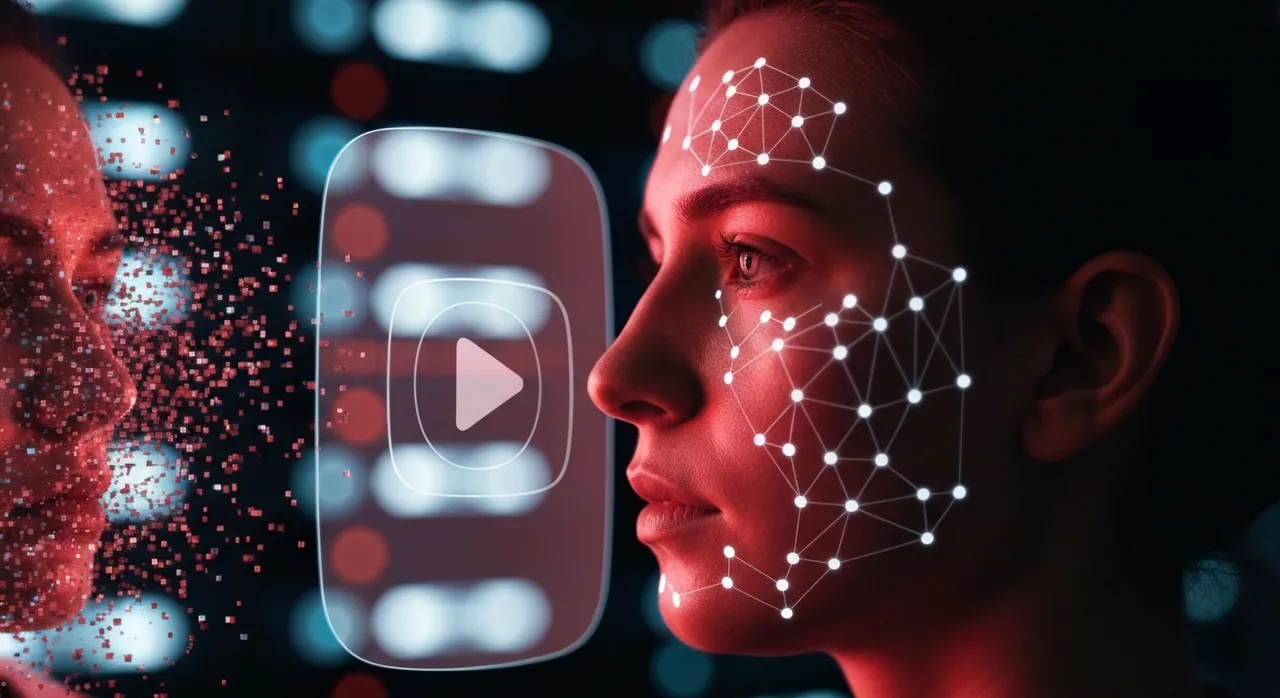
For years, the battle against deepfakes was fought with manual reporting and reactive moderation. The introduction of the YouTube biometric tool shifts this paradigm toward a proactive, system-level audit. Unlike traditional reporting mechanisms that require a user to find a specific infringing video, this tool allows eligible individuals to “audit” the entire platform. By submitting a reference biometric profile—consisting of a secure video selfie and a government-issued ID—users can trigger YouTube’s automated systems to scan for matches across newly uploaded and existing content.
The system is architected similarly to YouTube’s long-standing Content ID, which revolutionized copyright management for the music and film industries. However, while Content ID focuses on the ownership of creative assets, the biometric tool focuses on the sovereignty of the individual likeness. This distinction is vital in 2026, where “synthetic identity” has become a commodity. The tool is no longer restricted to a handful of elite creators; the April 22 update expanded access to a broad spectrum of at-risk groups, including:
- Public Figures and Journalists: Targeted for misinformation and political “ghosting” campaigns.
- Actors and Musicians: Protecting their commercial image and “digital double” rights.
- Athletes: Safeguarding against unauthorized endorsements and deepfaked “scandal” footage.
- Civic Leaders: Ensuring the integrity of public announcements in an era of heightened geopolitical tension.
The Technical Core: Cryptographic Provenance and Synthetic Metadata
At the heart of this update is a sophisticated detection engine that goes beyond simple facial recognition. YouTube’s automated systems now employ cryptographic provenance checks to verify the origin of every video file. This technology relies on the C2PA (Coalition for Content Provenance and Authenticity) standard, which attaches a “digital birth certificate” to media files. When an AI model generates an image or video, it leaves behind what engineers call “synthetic metadata”—invisible markers that signal the content was produced by an algorithmic process rather than a physical camera.
When a user submits a likeness theft report, YouTube’s audit tool performs a multi-layered verification:
- Metadata Scrubbing: The system checks for the presence of C2PA manifests or durable content credentials that identify the file as synthetic.
- Cryptographic Hash Matching: The tool compares the “digital signature” of the reported content against known libraries of AI-generated patterns.
- Biometric Alignment: Using Ed25519 signing and secure key management, the platform verifies if the visual likeness matches the biometric reference provided by the claimant.
By flagging these violations at the metadata level, YouTube can remove deepfakes before they achieve viral velocity. This is particularly critical because, in 2026, many AI models have become adept at bypassing visual-only detectors. By focusing on the underlying data structure of the video, YouTube is targeting the “synthetic DNA” of the theft.
The GPC Crisis: Why Broad Opt-Outs Failed and Biometrics Won
The timing of this deployment is no coincidence. Earlier in April 2026, a massive audit of global web traffic revealed a systemic failure of the “Global Privacy Control” (GPC) signal. Reports indicated that over 190 advertising services—including those owned by major tech giants—were routinely ignoring the standard browser-based opt-out signals sent by millions of users. This failure created a privacy vacuum, where users felt they had lost control over how their data and likeness were being scraped to train generative AI models.
The YouTube biometric tool is a direct answer to this “signal fatigue.” Because broad signals like GPC were being disregarded, YouTube opted for a “sovereign tool” approach. Rather than relying on a global handshake that other companies might ignore, YouTube is providing a platform-specific mechanism that forces compliance within its own ecosystem. This “biometric audit” gives users a way to configure their privacy settings specifically against the synthetic metadata generated by AI companies that scrape public data without consent.
Identity sovereignty is the ultimate goal. In the wake of the GPC failures, regulators in both the EU and the US have begun looking toward “Article 50” transparency obligations of the EU AI Act, which mandates that platforms provide clear, enforceable ways for individuals to identify and remove AI-generated content that mimics them. YouTube’s tool is currently the most advanced implementation of these mandatory transparency standards.
Reclaiming the Self: A Step-by-Step Takedown Workflow
For an individual to utilize the YouTube biometric tool, the platform has streamlined the “Privacy Complaint Process” to minimize the friction of traditional legal takedowns. The process is designed to be a “review-first” system, preventing it from being used as a blunt tool for censorship or harassment.
- Enrollment: The user provides a one-time biometric reference (facial scan) and a government ID. YouTube has explicitly stated that this data is stored in a highly encrypted, non-accessible vault and is not used to train Google’s own AI models.
- The Audit: Once enrolled, the user can access a “Likeness Management” dashboard. Here, the system surfaces potential matches—videos where the AI has detected a high probability of the user’s likeness being used.
- Contextual Review: The user reviews the flagged content. YouTube’s policy team emphasizes that not every match is a violation. Parody, satire, and news reporting are still protected under free expression guidelines.
- Cryptographic Takedown: If the user confirms a violation, the tool flags the “synthetic metadata” associated with the video. This triggers a platform-wide removal of that specific hash, preventing it from being re-uploaded across different channels.
This workflow represents a significant shift from “Notice and Takedown” to “Detect and Prevent.” By focusing on the cryptographic hash of the infringing video, YouTube ensures that once a deepfake is identified as a theft, its “digital footprint” is essentially erased from the platform.
The Human Element: Balancing Satire with Identity Theft
One of the greatest challenges for the YouTube biometric tool is the “Satire Clause.” Throughout 2025 and early 2026, the rise of AI-powered political parody became a mainstay of digital culture. YouTube’s Vice President of Government Affairs, Leslie Miller, has noted that the platform will not allow the tool to be used as a weapon against legitimate comedy or sketches meant for humor. If a video is clearly labeled as parody and does not intend to deceive the audience, it may remain live even if a likeness match is found.
However, the line is thin. The tool is specifically tuned to identify “deceptive synthetic media”—content where the intent is to make a real person appear to say or do something they never did in a realistic context. This is where the human review step is essential. While the YouTube biometric tool provides the technical detection, the final decision often involves a human moderator evaluating the intent and impact of the content. This “Human-in-the-loop” (HITL) architecture is designed to protect the platform from the “Content ID abuse” that plagued its early copyright years, where automated bots often silenced legitimate creators.
Future-Proofing the Platform: Audio Detection and the NO FAKES Act
While the current iteration of the YouTube biometric tool is focused heavily on facial likeness, the platform has already confirmed that synthetic voice detection is the next frontier. By late 2026, YouTube plans to integrate “synthetic-singing identification” into the same dashboard, allowing musicians to protect their vocal timbre from AI-generated “clones.”
Furthermore, YouTube is aligning its technical roadmap with the NO FAKES Act, a proposed federal right of publicity that would establish a standardized legal framework for unauthorized AI replicas. By building the technical infrastructure now, YouTube is positioning itself as the “Safe Harbor” for creators and public figures. The goal is to move toward a future where “Digital Identity” is managed with the same rigor as financial assets.
Conclusion: The deployment of the YouTube biometric tool is a clear signal that the era of “anything goes” synthetic media is coming to a close. By providing individuals with the cryptographic tools to audit their own likeness, YouTube is not just moderating content—it is redefining the social contract of privacy in the age of generative AI. For the millions of creators and public figures whose livelihoods depend on the integrity of their image, this update is more than a feature; it is a necessary evolution of digital sovereignty.
Written by
TempMail Ninja
Digital privacy and online security expert. Passionate about creating tools that protect users' identity on the internet.