2016 Nostalgia Trend: Why ‘2026 is the New 2016’
Article Content
In the ephemeral landscape of digital culture, where trends flicker and fade with dizzying speed, a peculiar and potent phenomenon has taken hold in early 2026: the declaration that “2026 is the New 2016.” What began as an ironic Gen Z joke on platforms like TikTok has blossomed into a widespread social media movement, a collective sigh of longing for a bygone digital era. This isn’t merely a passing viral moment; it’s a profound cultural signal, reflecting a yearning for simplicity, authenticity, and a less anxious online existence. The 2016 nostalgia trend is captivating millions, from everyday users to celebrities and influencers, all seeking comfort in the echoes of a decade past.
The Echo Chamber of Yesteryear: Understanding the 2016 Nostalgia Trend
The “2026 is the New 2016” trend gained significant traction in late 2025 and exploded in early 2026, becoming widely noticed across TikTok, Facebook, and Instagram. It sees internet users sharing posts that recall the fashion, music, and online culture of 2016. The initial spark is often attributed to TikTok user @taybrafang’s montage of 2016 moments on New Year’s Eve 2025, followed by @joebro909’s call for a “reset day” on January 1, 2026, to bring back internet trends from that year.
A Simpler Digital Landscape: Social Media Then vs. Now
At the heart of the 2016 nostalgia lies a collective memory of a social media environment that felt markedly different. Many participants reminisce about a time when social media felt more organic and less commercial, before widespread misinformation and pervasive AI content. Users remember 2016 as the last moment of “true mass culture” before algorithms created echo chambers and virality became fragmented. Instagram feeds were less about brand identity or digital marketing and more about personal sharing, often featuring chronological feeds and a more spontaneous, less curated approach to posting.
Contrast this with the digital landscape of 2026. Social media is now a primary layer of the internet, powering thousands of jobs and shaping culture in real-time, with 5.66 billion users worldwide. However, it’s also a realm saturated with sophisticated algorithms, ultra-retouched images, and the ever-present influence of AI in every post. This has led to a sense of digital fatigue, where the internet, once an escape from reality, has become something many seek to escape from. The longing for a pre-AI internet, where content felt human rather than algorithmically optimized, is a significant driver of this trend.
The Soundtrack and Style of a Bygone Era: Fashion, Music, and Pop Culture
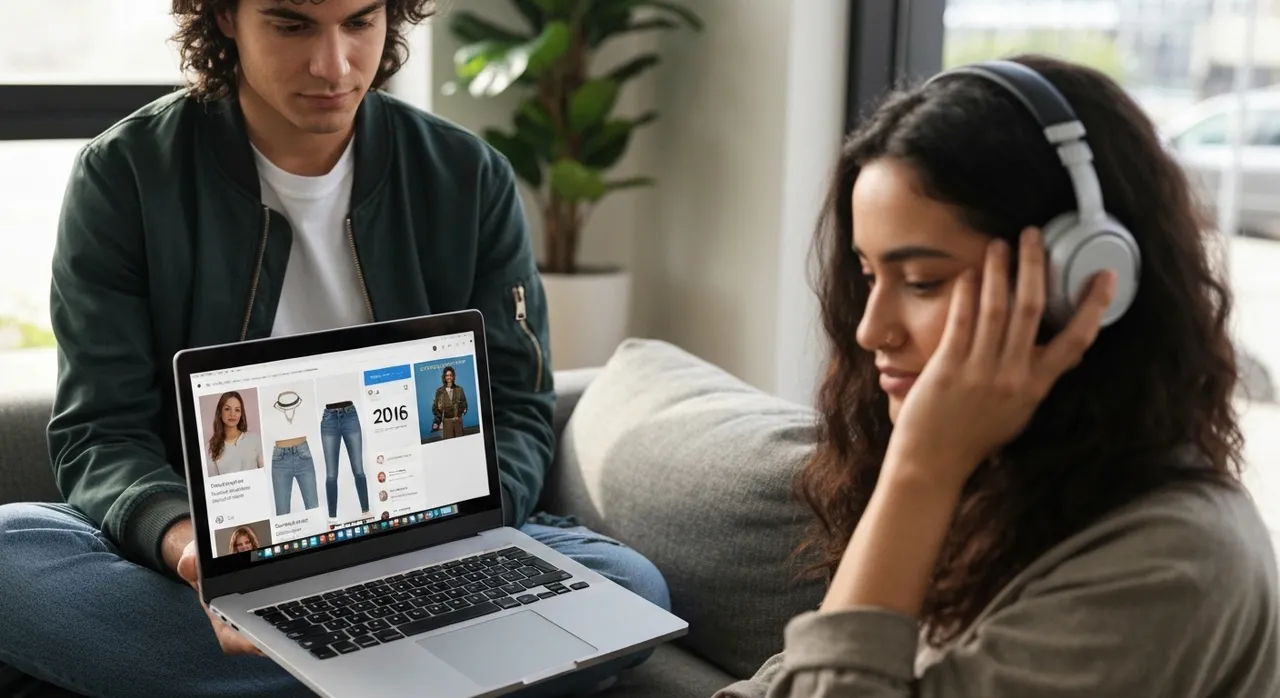
The visual and auditory elements of 2016 are integral to the nostalgia wave. The aesthetics embraced include oversaturated colors, bright Instagram photos, and Snapchat filters like the dog ears and flower crowns. Fashion trends like chokers, skinny jeans, ripped mom jeans, and Adidas Superstars are resurfacing. The era also saw the rise of strong, iconic makeup looks, notably influenced by Kylie Lip Kits.
Musically, 2016 was defined by hits from artists like Drake, Justin Bieber, The Chainsmokers, Beyoncé, and Rihanna. Songs such as Zara Larsson’s “Lush Life” and Major Lazer’s “Lean On” are experiencing a resurgence in popularity, soundtracking countless nostalgic videos. Spotify has reported a 71% increase in “2016 playlists” compared to 2024.
Iconic internet challenges and games from 2016 are also being recreated:
- Pokémon Go: The augmented reality game that sent millions into the streets.
- Mannequin Challenge: Viral videos where people froze in dramatic poses.
- Bottle Flip Challenge: Flipping a plastic bottle and landing it upright.
- Vine: The short-form video app that peaked in 2016.
- Musical.ly: The precursor to TikTok, where many created lip-sync videos.
- Classic Memes: Such as the “Arthur fist meme” and “Damn, Daniel.”
Narrative media also played a role, with Marvel Studios’s ‘Captain America: Civil War’ and Netflix’s first season of ‘Stranger Things’ being released that year.
Beneath the Filters: The Psychological Undercurrents
The pervasive nature of the 2016 nostalgia trend is deeply rooted in contemporary anxieties and a collective desire for emotional regulation. This is not simply a superficial revisiting of trends but a societal coping mechanism.
Millennial and Gen Z Drivers: Comfort in the Familiar
The trend is largely driven by Millennials and older Gen Z individuals. For many in Generation Z, 2016 was a pivotal year, marking the “golden age of memes” right before the perceived decline of the internet, before it became “infested with AI-generated brainrot.” This demographic, often described as “pro-tech” but increasingly facing digital burnout, seeks an escape from the overwhelming anxiety of being chronically online. Experts attribute the appeal to a collective longing for less curated, more communal online experiences. Nostalgia, in this context, strengthens self-continuity, increases social belonging, and helps people cope with stress, loneliness, and uncertainty. These are needs that feel especially relevant in 2026.
Escapism from Modern Realities: Misinformation and AI’s Shadow
A key aspect of 2016’s appeal is its perception as a time before the COVID-19 pandemic, before false information spread widely on the internet, and before the use of generative artificial intelligence to create content became common. The internet in 2026 is grappling with an “authenticity crisis,” where over-polished brand content, algorithm-chasing formats, and waves of “AI slop” create a sense of sameness that fails to resonate.
The rapid adoption of AI has introduced significant anxieties. Deepfakes have crossed a critical threshold in 2026, becoming highly realistic and accessible to anyone with a smartphone, leading to an “industrialization” of misinformation. False stories now travel six times faster than the truth, reaching vast audiences. This pervasive presence of AI-generated content and misinformation has fostered a desire for a “simpler, more authentic, more spontaneous era” online. A 2023 study found that individuals engaging in nostalgic reflections report lower stress levels and greater optimism, offering a temporary reprieve from these modern digital pressures.
The Mechanics of Memory: How Social Media Fuels Nostalgia
Social media platforms themselves are powerful engines for cultivating and amplifying nostalgia, both intentionally and unintentionally. AI is already changing how we experience nostalgia by resurfacing past content.
Algorithmic Reinforcement and Viral Loops
The very design of modern social media, though often a source of fatigue, can also feed into nostalgic trends. Algorithms, while criticized for creating echo chambers, can also quickly identify and amplify trending content, including nostalgic throwbacks. The rapid increase in searches for “2016” on TikTok (up 452%) and the growing use of 2016-style filters demonstrate how algorithms can quickly spread and reinforce these trends. Platforms like Google Photos and Instagram already use AI to create personalized nostalgic slideshows and memories, effectively engineering nostalgia. This algorithmic reinforcement transforms individual nostalgic feelings into a collective phenomenon. However, AI-driven nostalgia also raises ethical concerns about memory manipulation, as platforms may prioritize positive, high-engagement moments, potentially distorting personal history.
The Creator Economy and Authenticity
The shift from an “organic” internet to the highly commercialized creator economy contributes to the longing for 2016. In 2026, creators produce personalized content at scale, often leveraging AI. This has led to a digital landscape where posting often feels “like a job,” with pressure for performance and optimization. The “2016 nostalgia trend” highlights a desire for “less automation, more humanity; less selling, more storytelling; less pressure, more play.” Brands are taking notice, with experts suggesting that successful marketing in this climate will act as an “emotional bridge,” prioritizing familiarity and comfort over gimmicks. The trend signifies a recalibration of what audiences value online: authenticity, connection, and content that feels human.
Beyond a Fleeting Trend: Implications for Digital Culture
The “2026 is the New 2016” phenomenon is more than just a fleeting internet fad; it’s a critical commentary on the current state of our digital lives and offers insights into future cultural directions.
Re-evaluating Our Digital Present
The widespread embrace of this 2016 nostalgia trend forces a crucial re-evaluation of our relationship with technology. It underscores a collective yearning for a simpler, more authentic online experience that predates the overwhelming influence of AI and widespread misinformation. The “attention reset” of 2026 means that attention is no longer a currency brands can buy but a relationship they must earn through credibility and emotional transparency. Many are choosing to go “chronically offline” in 2026, deleting apps and rediscovering offline hobbies to combat digital burnout and mental overload. This retreat reflects a desire to reclaim digital agency in an era where the internet often feels inescapable.
The Future of Digital Identity and Authenticity
This trend suggests that future digital culture may see a stronger emphasis on authenticity and community-based content. While AI is already being used to create more refined, nostalgic forms of content, the underlying desire remains for human connection. There’s a delicate balance: while nostalgia can sometimes lead to skepticism towards new technologies, it can also promote positive responses to AI when it fosters social connectedness. The challenge for creators and platforms will be to leverage AI to enhance human connection rather than replace it, to create content that is intentional and emotionally resonant.
The growing preference for “lo-fi, unpolished content” over hyper-curated feeds indicates a desire to prioritize humanity over perfection. The return to vintage tech, like flip phones and physical media, among Gen Z highlights a deliberate unplugging and a craving for tactile, pre-digital experiences. This move is not just for “vibes” but a conscious choice to live more in the moment and worry less about the perfect online representation.
Conclusion
The “2026 is the New 2016” nostalgia wave is a powerful cultural phenomenon that transcends a simple rehashing of past trends. It is a resonant expression of modern anxieties concerning rapid technological advancements, digital fatigue, and the erosion of authentic online interaction. Millennials and older Gen Z, in particular, are finding solace in the perceived simplicity and organic nature of 2016’s digital landscape, a period before the pervasive influence of AI and widespread misinformation became the norm. This collective longing is driving a resurgence of specific fashion, music, and internet challenges, turning social media into a virtual time capsule. The trend serves as a vital signal to platforms, creators, and brands: in an increasingly complex and AI-driven digital world, there is an undeniable hunger for humanity, authenticity, and connection. Whether this signals a temporary retreat or a more profound shift in our digital habits, the 2016 nostalgia trend is undeniably shaping conversations about what we desire from our online experiences, urging us to consider how we can cultivate a digital future that feels less like a performance and more like a genuine interaction.
Written by
TempMail Ninja
Digital privacy and online security expert. Passionate about creating tools that protect users' identity on the internet.