The Digital Landscape in 2026: Hacks, Buyouts, and Retro Tech
Article Content
The digital landscape of April 2026 is no longer a place of quiet, iterative progress. Instead, it has become a volatile arena defined by three distinct, converging forces: the escalation of cyber-extortion, the ruthless reconfiguration of global supply chains, and a defiant cultural embrace of early 2000s hardware. These elements are creating a complex, high-stakes environment for enterprises and individuals alike.
The Era of Ultimatums: Cyber-Extortion at Scale
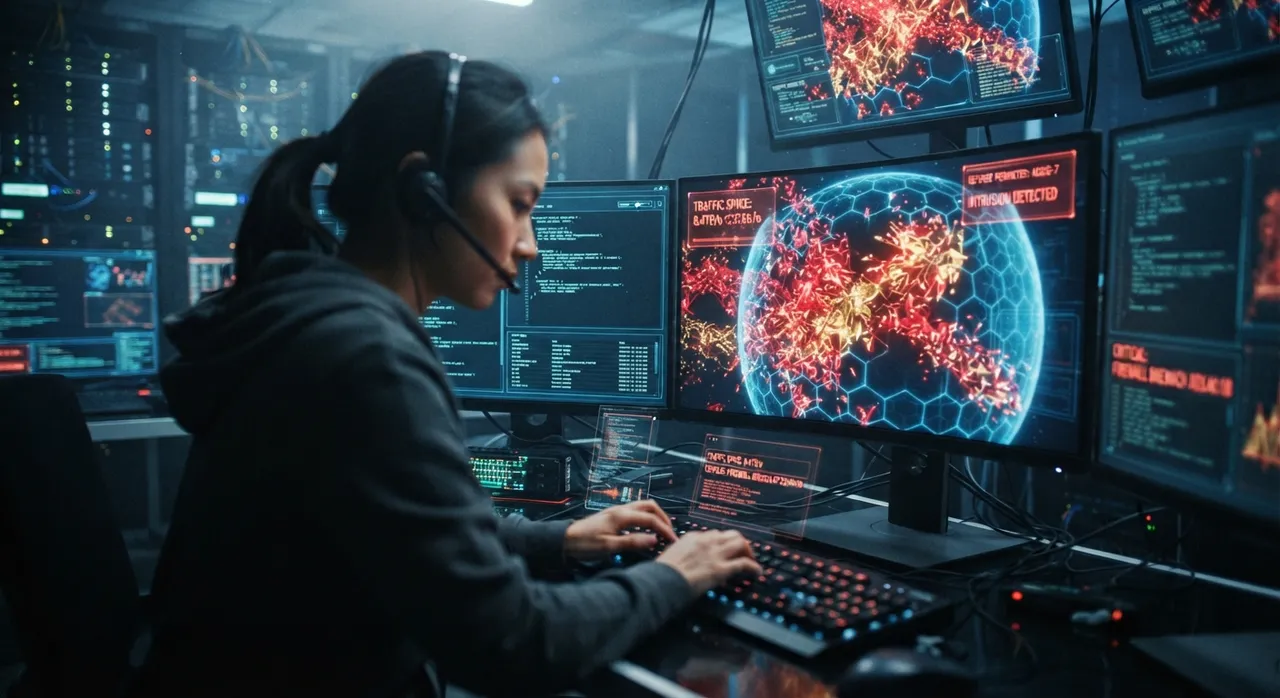
The current cybersecurity climate has moved far beyond simple data breaches. As of April 14, 2026, we are witnessing an uptick in aggressive, time-bound hacker ultimatums. Organizations that once viewed data protection as a routine IT maintenance task are now finding themselves in the crosshairs of highly professionalized extortion syndicates. The shift is not just in the frequency of attacks, but in the methodology: the target is often not the company itself, but the weakest link in its digital ecosystem.
Recent events, such as the targeting of third-party platforms like Anodot, exemplify this trend. Rather than attacking internal fortresses, threat actors are leveraging compromised authentication tokens from peripheral service providers. This allows for persistent, unauthorized access to sensitive environments, forcing companies into public standoffs where the threat is an immediate, devastating data dump. This “pay or leak” ultimatum model has turned cybersecurity into a board-level emergency, necessitating a move from passive, perimeter-based security to a Zero Trust architecture where every identity and request is continuously verified.
The technical implications of this shift are profound:
- Identity-First Security: Credentials and API tokens are now the primary battleground. Conventional passwords are increasingly irrelevant against automated, AI-driven reconnaissance.
- Supply Chain Dependency: Software Bill of Materials (SBOM) and stringent third-party risk management are no longer optional. Every integrated service is a potential point of ingress.
- Automated Resilience: With attack speeds measured in minutes rather than days, human-led responses are insufficient. Organizations are turning to agentic AI for real-time intrusion detection and autonomous remediation.
Supply-Chain Buyouts and the New Geopolitical Reality
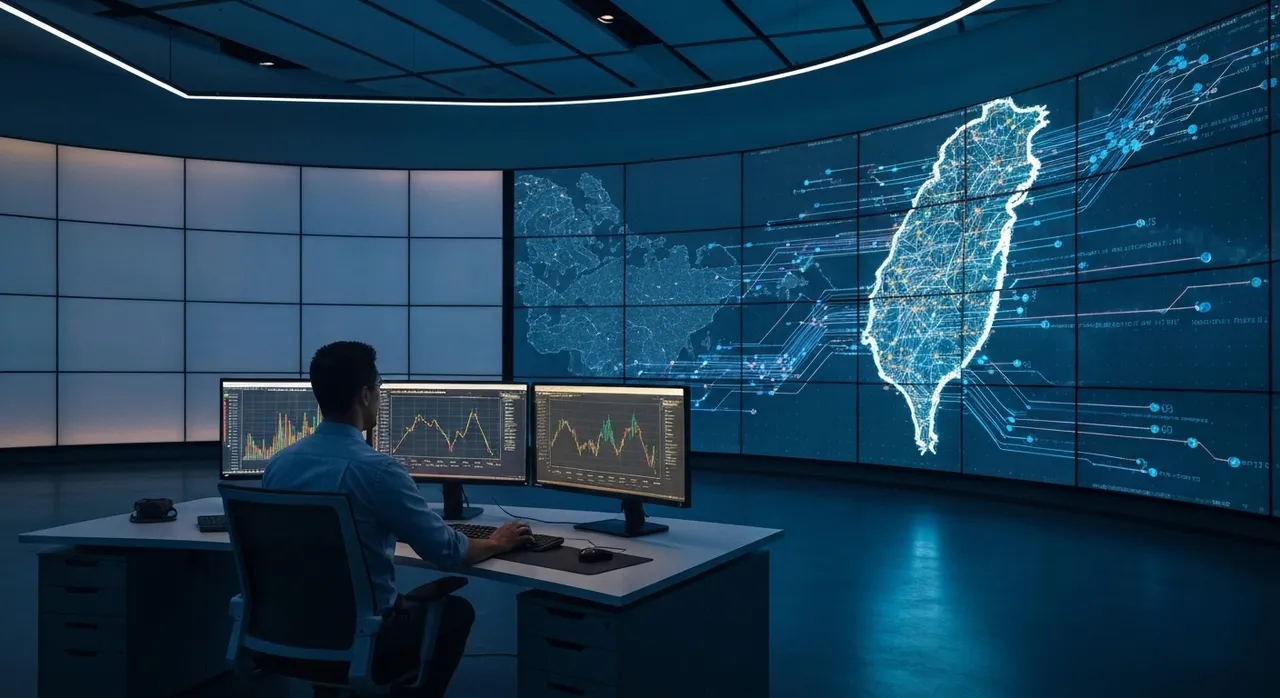
While the digital front is being fought with code, the physical substrate of our technology is undergoing a forced metamorphosis. The supply-chain crisis of 2026 is not merely a consequence of global transit delays—though shipping costs on key routes remain up by over 20%—it is driving a massive wave of M&A activity designed to ensure regional operational sovereignty. We are witnessing “supply-chain buyouts” as companies scramble to vertically integrate and localize their manufacturing capabilities.
The goal is to move from lean, globalized models to robust, localized hubs. The acquisition of manufacturers by larger conglomerates, such as those seen in the industrial lighting and interconnect solutions sectors, highlights a strategic shift. By acquiring local producers, firms are reducing their reliance on volatile, long-haul supply corridors and mitigating the impact of geopolitical war-risk insurance premiums. This is not just cost-cutting; it is a fundamental realignment of the global trade structure where proximity to end-markets is the most valuable commodity.
Hardware Archaeology: The Retro-Tech Streaming Surge
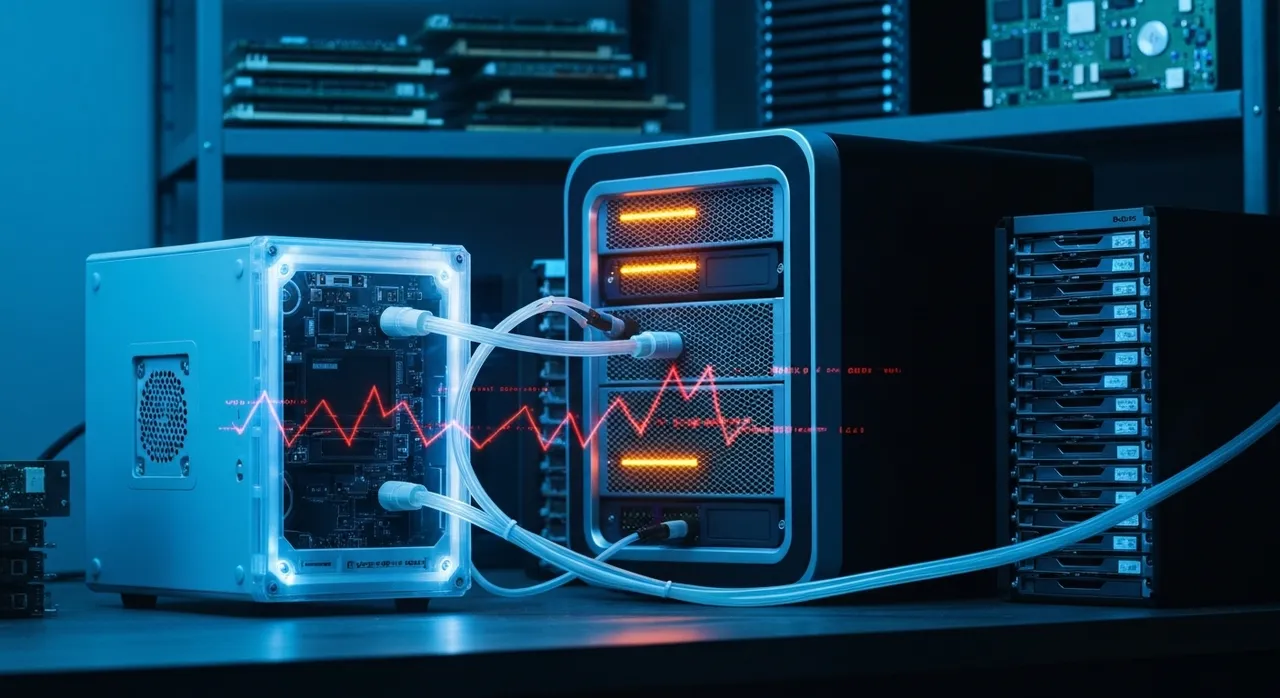
Amidst the high-tech volatility, a counter-cultural movement has taken hold: the “archaeology” of early 2000s hardware. This phenomenon, which sees creators and enthusiasts integrating vintage gear into modern streaming workflows, is more than just nostalgia. It is a reaction to the perceived complexity and surveillance of the contemporary, platform-dominated digital landscape. By utilizing legacy cameras, wired audio equipment, and repurposed OEM hardware, streamers are intentionally creating a sense of authentic, unpolished imperfection that contrasts sharply with the hyper-sanitized content produced by high-end, cloud-dependent rigs.
From a technical standpoint, this is a fascinating experiment in compatibility and optimization. Modern creators are learning that streaming success in 2026 is less about raw computational power—a $3,000 GPU is often overkill—and more about efficient resource management. Utilizing hardware encoders and stabilizing throughput at consistent frame rates is yielding better viewer retention than the pursuit of speculative 8K resolutions. This “budget meta” is not just for the financially constrained; it is a strategic choice to emphasize personality and narrative over the endless cycle of upgrade-and-obsolescence.
The Technical Hierarchy of Modern Streaming
Success in today’s streaming environment often follows a disciplined hardware hierarchy:
- Hardware Encoding: Offloading the heavy lifting of video processing to specialized silicon (like modern NVIDIA encoders) to preserve system stability.
- Storage Speed: Prioritizing SSDs to eliminate I/O bottlenecks that cause stuttering, which is the fastest way to lose an audience.
- Consistent Optimization: Caping frame rates below the display refresh rate to maintain a steady, predictable performance curve.
Conclusion: Navigating the Inflection Point
The convergence of these trends suggests that 2026 is an inflection point for the global digital economy. We are seeing a retreat from the naive, hyper-connected optimism of the past two decades toward a more guarded, localized, and technically skeptical future. The digital landscape is becoming increasingly bifurcated: on one side, a high-stakes, automated arms race of cyber-defenses and AI; on the other, a human-scale, resilient, and occasionally retro-inspired effort to reclaim control over the tools of creation and communication.
For the professional, the path forward requires a balanced approach. It demands the implementation of sophisticated, Zero Trust infrastructure to protect against the industrialization of cybercrime, while simultaneously recognizing that the most robust systems are often those that are the most understandable and the most resilient to global supply-chain shocks. The “Ninja Editor” perspective for this year is clear: invest in resilience, demand provenance in your digital tools, and never underestimate the power of intelligent optimization over mindless consumption.
Written by
TempMail Ninja
Digital privacy and online security expert. Passionate about creating tools that protect users' identity on the internet.