Lost Beatles Top of the Pops Footage Uncovered After 60 Years
Article Content
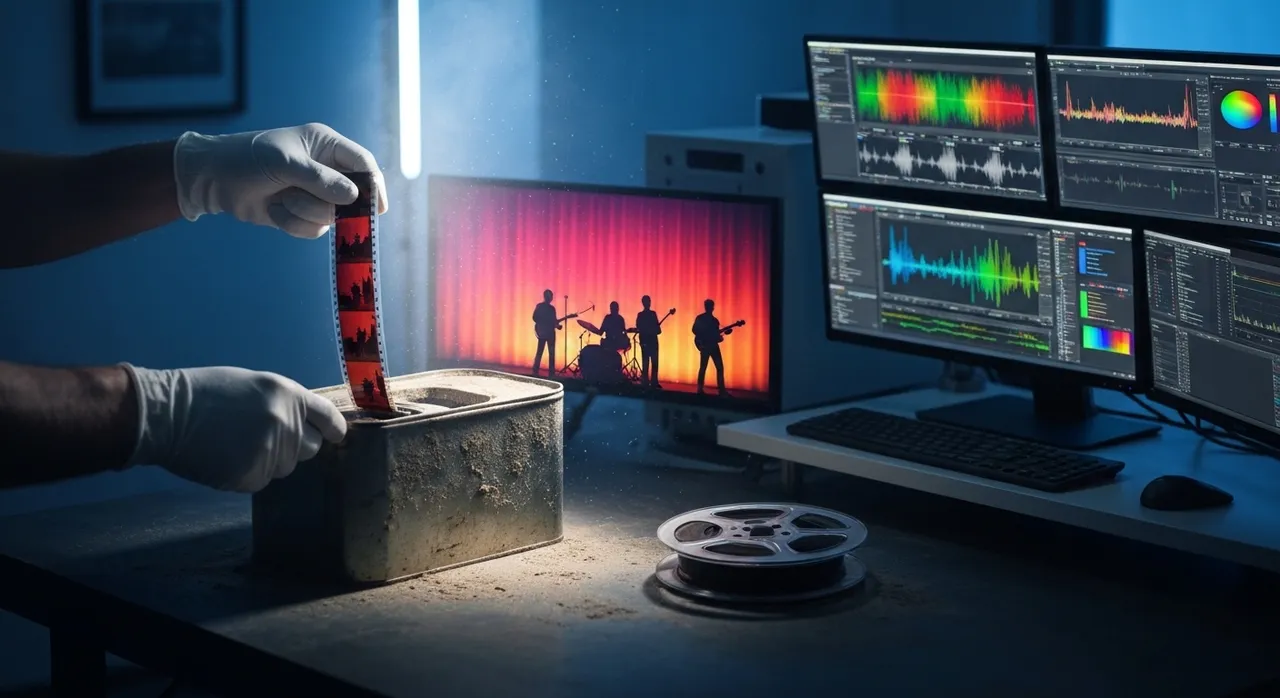
The world of digital archaeology and media preservation is no stranger to dramatic discoveries, but few announcements carry the cultural weight of finding lost footage of the most influential band in history. On June 18, 2026, the film preservation trust Film Is Fabulous officially confirmed a monumental breakthrough: the recovery of a pristine 35mm film negative containing rare, historically vital footage of the band’s debut appearance on the BBC’s iconic music chart show. For over six decades, this legendary 1964 Beatles Top of the Pops recording was believed to have been permanently destroyed, victim to a corporate archiving philosophy that valued empty shelf space over the preservation of 20th-century cultural heritage. This newly uncovered artifact, recorded on March 19, 1964, provides an invaluable, high-definition window into the precise moment Beatlemania reached its absolute zenith.
A Monumental Find in West London: The Backstory of March 19, 1964
In March 1964, the Beatles were not just a popular band; they were a global phenomenon redefining the boundaries of mass media. They had recently returned from their historic visit to the United States, where their legendary performances on The Ed Sullivan Show had captivated tens of millions of viewers. Back in the United Kingdom, their momentum was unstoppable. On March 19, 1964, the Fab Four arrived at the BBC Television Theatre (since renamed the Shepherd’s Bush Empire) in West London. The purpose of their visit was highly specific: they were there to pre-record performances of their upcoming single, “Can’t Buy Me Love,” and its formidable B-side, “You Can’t Do That”. The single was scheduled to be officially released the very next day, March 20, 1964, meaning these recordings were designed to be the ultimate promotional springboard.
Normally, Top of the Pops was broadcast live from the BBC’s studios in Manchester. However, due to the Beatles’ grueling schedule and the sheer logistical chaos of transporting them across the country amidst intense fan hysteria, the BBC made a rare concession. Instead of requiring the band to travel north, a production unit was sent to the Television Theatre in London to capture film inserts. These performances were subsequently played into the live Manchester studio broadcast on March 25, 1964. By recording these segments on 35mm film rather than standard television videotape, the production crew inadvertently set the stage for the footage’s survival, as film was processed and handled differently than the magnetically stored studio master tapes.
The Archive Cleansing: Why So Much of the 1960s Was Lost
To understand why this discovery has sent shockwaves through the classic rock and media preservation communities, one must understand the brutal history of early television archiving. Throughout the 1960s and 1970s, the BBC—like many global broadcasters of the era—did not view television as an art form destined for permanent preservation. Instead, it was treated as ephemeral, transient entertainment.
To save physical storage space and cut operating costs, the BBC routinely implemented what was euphemistically referred to as a “wiping” policy. High-grade two-inch Quadruplex videotapes, which were incredibly expensive at the time, were systematically erased and recorded over for subsequent broadcasts. Original master tapes of legendary performances, early episodes of Doctor Who, and vast swathes of Top of the Pops were lost to this practice
Written by
TempMail Ninja
Digital privacy and online security expert. Passionate about creating tools that protect users' identity on the internet.