Digital Nostalgia: How Contemporary Literature Explores Algorithmic Fatigue

Article Content
As we navigate the second quarter of 2026, the literary landscape is undergoing a profound, if melancholic, transformation. The latest bestseller lists are not dominated by the usual speculative thrillers or high-octane memoirs. Instead, they are being claimed by a burgeoning cultural movement that critics have aptly named “digital nostalgia.” This isn’t merely a yearning for retro aesthetics or a penchant for 2016-era filters on social media; it is a sophisticated, deeply philosophical interrogation of the fragility of memory in an era defined by algorithmic impermanence.
At the center of this cultural shift stands Ben Lerner’s new novel, Transcription, released this April. The narrative serves as a masterclass in the anxiety of our current technological moment. When the protagonist accidentally destroys his smartphone—and with it, all his digital recordings of a critical interview—the story pivots from a standard contemporary drama into a haunting exploration of how technology mediates our relationship with truth. The novel’s resonance lies in its willingness to look directly at the horror of the “empty screen” and the uncomfortable truth that our digital footprints, far from being permanent legacies, are often ephemeral, malleable, or outright fictions.
The Archaeology of the Self
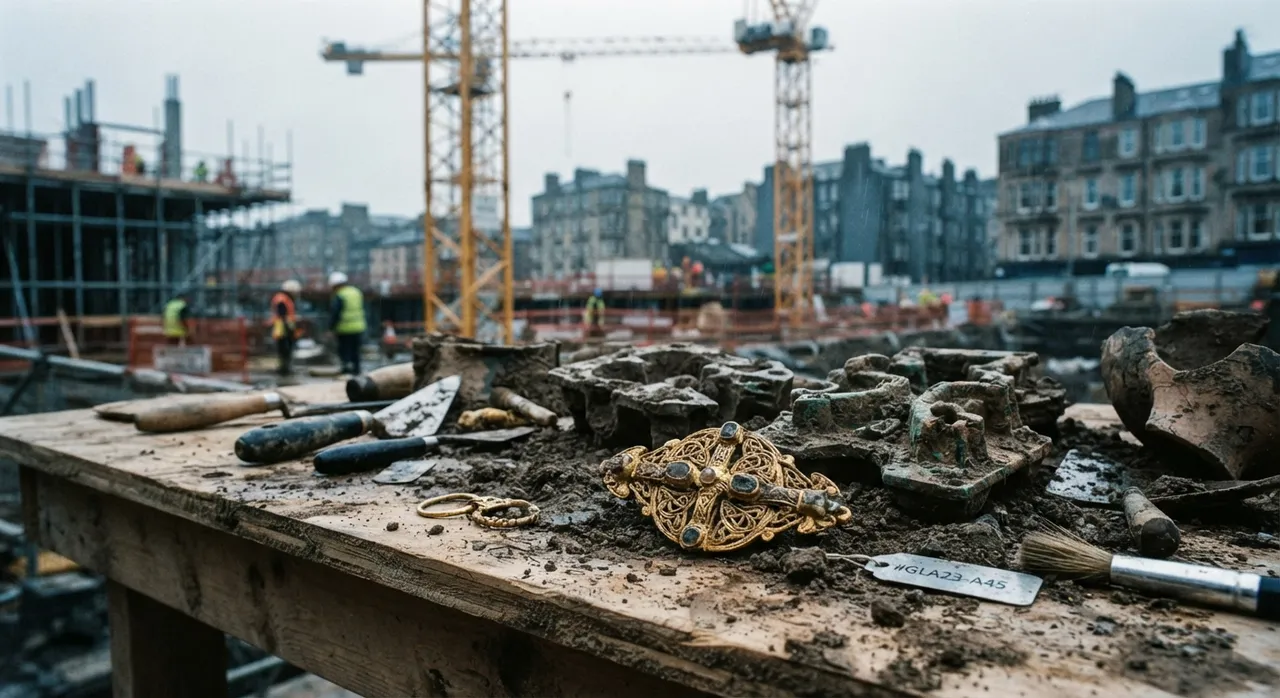
Cultural critics argue that this movement is less about a regressive desire to return to a simpler, analog past and more about performing an “archaeology of the self.” In a world where platforms collapse, data is corrupted, and the “dead internet” theory—the notion that much of the internet is now populated by non-human actors—feels increasingly plausible, the contemporary subject is left to wonder: what remains of the authentic self when the servers go dark?
This “archaeology” involves several key thematic explorations:
- The Fragility of Digital Memory: As Lerner illustrates, our reliance on devices to “capture” experience often creates a paradox where we outsource our cognitive recall to hardware that is susceptible to catastrophic failure.
- Algorithmic Fatigue: Readers are increasingly exhausted by the performative nature of digital life, where social media feeds are curated not by genuine human experience, but by engagement-optimization algorithms.
- The Analog Web Mythos: There is a growing fascination with the “analog web” of the early 2000s—an era remembered (perhaps inaccurately) as a time of greater autonomy, where the internet felt like a destination rather than a pervasive, predictive layer of reality.
The Crisis of the Unfinished Digital Estate
The success of the “digital nostalgia” genre is inextricably linked to the real-world “Unfinished Digital Estate” crisis of 2026. As society grapples with the legal and existential questions of what happens to our digital identities after death, literature has become a vital space to process the weight of these technologies. Fiction provides a controlled environment to simulate the loss of digital memory before such losses become part of our legal and emotional reality. When characters like Lerner’s narrator lose their recordings, they are forced to reconstruct their histories through the flawed, inconsistent lens of human memory, reclaiming the narrative from the machine.
Beyond the Aesthetic: A Response to Algorithmic Living
To understand why this trend has reached such critical mass, one must look at the structural exhaustion of the modern internet. The current obsession with the aesthetics of 2016—the grainy photos, the lack of AI-integrated feeds, the spontaneous social interactions—is a direct, visceral reaction to the professionalization and automation of online presence.
In 2026, the average internet user is inundated with content that has been optimized, summarized, or outright generated by AI. This environment leaves little room for ambiguity, error, or the “human messiness” that used to define early social platforms. Digital nostalgia emerges as a corrective measure. It is a form of cultural resistance that prizes the unrefined over the optimized, and the fallible human recollection over the immutable, sterile log of a database.
The Fiction of Truth
In Transcription, the narrator’s inability to confess his lost data forces the reader to confront the question of whether any account of the past can be considered “true” in an age of digital transcription. If our record-keeping devices are unreliable, then the act of storytelling becomes the only available method to anchor reality. This is the core of the current literary trend: it posits that in a world where technology mediates—and often falsifies—truth, literature must step in as the primary archive for human experience.
We are seeing authors increasingly treat the “digital footprint” not as a permanent record, but as a site of potential erasure. This awareness changes the architecture of contemporary narrative. Authors are writing characters who are aware that their digital pasts might be deleted, leaked, or distorted by the very algorithms they use to construct their identities. This existential risk adds a layer of tension that is entirely unique to the current decade.
Conclusion: Reclaiming Human Narrative
The “digital nostalgia” trend of April 2026 is far more than a passing aesthetic preference; it is a profound cultural reckoning. It signifies a collective pivot away from the blind pursuit of technological integration and toward a grounded, self-reflexive engagement with who we are in the absence of our digital avatars. Whether through the lens of Ben Lerner’s fiction or the broader cultural desire for the “analog web,” we are witnessing a return to the belief that the most profound human truths are those that cannot be encoded, compressed, or summarized by a machine.
As we continue to navigate the friction between our physical bodies and our digital ghosts, literature remains our most resilient tool. It provides the “emotional blueprint” necessary to survive the instability of the digital age. In choosing to read, analyze, and discuss these works, we are not running away from the future; we are actively choosing to participate in an archaeology of the self, one that recognizes that while our digital traces may be fleeting, the stories we tell about them remain, for now, our own.
Written by
TempMail Ninja
Digital privacy and online security expert. Passionate about creating tools that protect users' identity on the internet.