Lostwave Mystery Solved: “I’m A Little Bad” Identified
Article Content
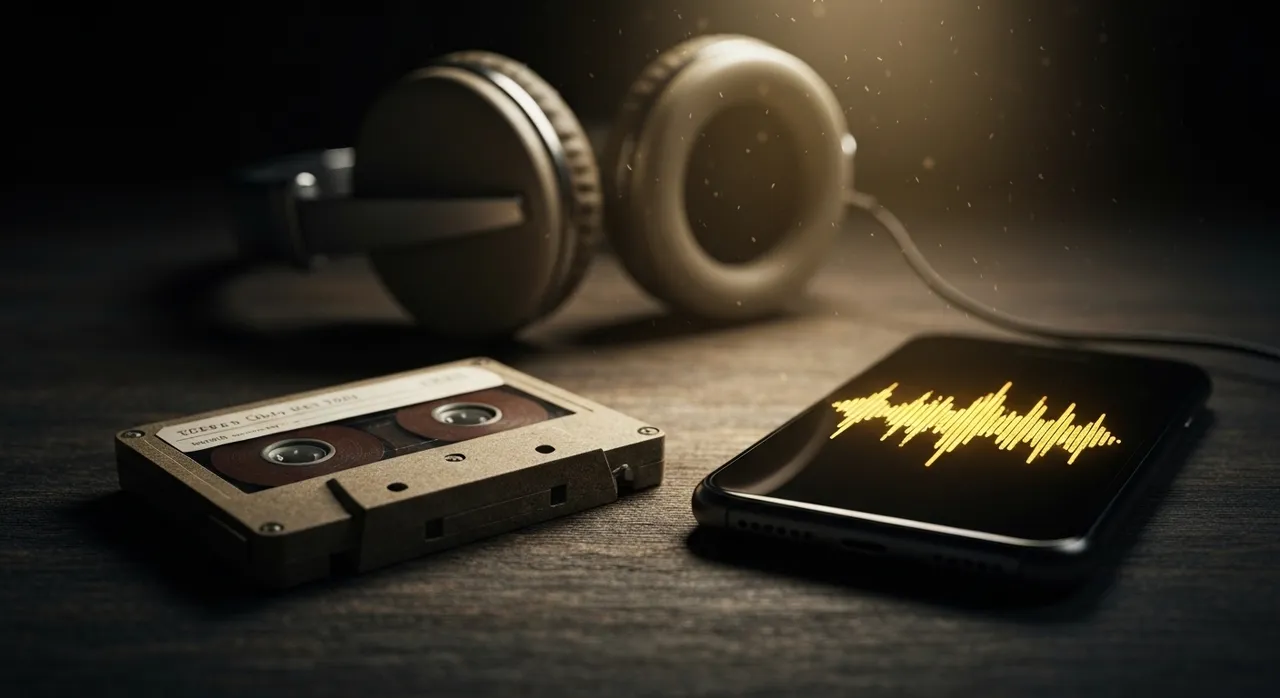
p>In the quiet corners of the internet, a unique breed of digital archeologists spends their nights digging through old hard drives, archived forums, and obscure video game uploads. Their target is “lostwave”—unidentified musical tracks that exist only as background music in forgotten videos or snippets on obscure file-sharing sites. For nearly two decades, one of the most tantalizing and elusive targets of this subculture was a post-grunge, alternative metal track colloquially known as “I’m A Little Bad” (or “The Things You Do”). On May 17, 2026, the community witnessed history as this legendary lostwave mystery solved once and for all, bringing a thrilling conclusion to a hunt that spanned 18 years, 11 months, and 8 days.
The Genesis: A Space Simulator and a Forgotten Gameplay Video
To understand the depth of this mystery, one must travel back to the early days of YouTube. On May 25, 2007, a user going by the name Kenothegangster uploaded a brief gameplay video showcasing space combat in the 2003 PC space simulation game, Freelancer. Backing the energetic lasers and ship maneuvers was an incredibly catchy, high-energy alternative rock track with a heavy, post-grunge edge. The song, driving and laden with melodic hooks, featured the striking lyric: “Baby, yes, I’m on my knees ’cause, baby, I’m a little bad.”
At the time, YouTube was in its infancy, and the digital landscape was radically different. Video descriptions were rarely detailed, automated copyright claims did not exist, and the concept of “Shazam” was far from a household utility. The uploader left no credits, no artist name, and no track title. Over the years, Kenothegangster went entirely inactive, leaving behind a digital time capsule. While the video quietly gathered views from Freelancer enthusiasts and retro gamers, the identity of the backing track remained a total cipher.
The choice of the backing track perfectly fit the subculture of the era. Developed by Digital Anvil and published by Microsoft Game Studios, Freelancer boasted a highly active multiplayer and modding community. Players frequently recorded their space dogfights, compiling them into action-packed montages. These videos were regularly paired with high-octane hard rock, nu-metal, and post-grunge music to match the fast-paced interstellar combat. It was this exact cultural intersection of early-2000s gaming and independent rock that saved the track from vanishing into complete obscurity.
The Modern Lostwave Boom and the Reignition of the Hunt
For over a decade, the song existed as an obscure curiosity buried in a niche gaming video. However, the early 2020s saw the meteoric rise of the “lostwave” movement—a global, collaborative internet phenomenon dedicated to identifying lost media. Communities on platforms like Reddit and Discord began systematically cataloging unidentified songs, analyzing lyrics, isolating frequencies, and hunting down lead after lead.
On May 2, 2024, the search for “I’m A Little Bad” was officially reignited. A user named Shikuromi extracted a snippet of the song from the original 2007 gameplay video and uploaded it to the music identification platform WatZatSong. Shikuromi theorized that the song likely originated from the late 1990s or mid-2000s and noted that the vocalist’s accent suggested they might not be a native English speaker. This single post acted as a lightning rod, drawing in a dedicated team of internet detectives who dubbed the song with placeholders like “I’m A Little Bad” and “The Things You Do.”
The Digital Paper Trail: Chasing MySpace Phantoms and Dealing with Hoaxes
As the search intensified, the lostwave community focused heavily on the digital landscape of the mid-2000s. The sonic signature of “I’m A Little Bad”—blending alternative metal riffs, post-grunge angst, and subtle electronic programming—pointed directly toward the peak era of independent music-sharing websites. Sleuths targeted platforms that defined the independent music scene of the era:
- MySpace Music: The premier launchpad for thousands of independent alternative rock and metal bands in the mid-2000s.
- PureVolume: A popular hub for indie, punk, and metalcore acts to upload demos and unreleased tracks.
- ReverbNation: A portfolio site where underground bands kept digital press kits and older audio files.
- SoundClick: An early platform heavily used by garage bands and bedroom producers.
Chasing these leads was an exercise in frustration. Millions of MySpace pages had been corrupted or permanently lost during the platform’s infamous server migration data loss in 2018. PureVolume had shut down, leaving only fragmented internet archives to parse. Yet, the community pushed forward, creating elaborate spreadsheets of band names, tracking down early-2000s band managers, and scouring old forum posts.
With high stakes came inevitable deception. In early 2026, user dagger7232 posted about the track on the r/NameThatSong subreddit, prompting widespread discussion. Soon after, a Reddit user named suite307 claimed the song was actually a track titled “Last Time” by an obscure, long-forgotten MySpace band named “Red Velvet Room.” The user claimed that the band had recorded a freelance Anime Music Video (AMV) in the mid-2000s, which used the song. For months, searchers wasted valuable hours trying to verify the existence of “Red Velvet Room,” only for the lead to be thoroughly debunked as a sophisticated hoax once the true identity of the song was finally revealed.
A Historic Breakthrough: The Day the Lostwave Mystery Solved
The breakthrough that finally cracked the 19-year cold case did not come from a dusty archive or a lucky interview, but from a masterclass in modern digital forensics and community collaboration. On May 17, 2026, Discord user rocketballboi accomplished what hundreds of searchers had failed to do for nearly two decades.
Over the course of the hunt, several community members had worked to clean up and preserve the audio. A YouTube user known as s2H (along with other preservationists like Mr. Chips, SpikeytheCactus, and AlianTheObscure) had created high-quality, remastered reuploads of the song, attempting to filter out the low-bitrate compression of the 2007 YouTube upload and the background sound effects from the Freelancer gameplay.
These audio editors used digital audio workstations (DAWs) to isolate the vocals and instrumentals. They utilized advanced spectral editing tools to notch out the game’s sound effects—such as the whirring of spaceship engines, weapon fire, and explosion sounds—which were heavily layered over the track in Kenothegangster’s video. By carefully removing these frequencies and applying modern mastering techniques, they produced a clean “remastered” audio footprint.
Using s2H’s clean, high-quality audio file, rocketballboi ran the track through the Gracenote music database. Unlike typical commercial search engines like Shazam, which rely on highly specific, compressed consumer-grade fingerprints, Gracenote is a massive global metadata database utilized by enterprise media systems, car stereos, and digital media players. Because s2H’s reupload restored enough of the original acoustic metadata and spectral integrity of the song, Gracenote’s sophisticated audio fingerprinting algorithm successfully recognized a match.
The query returned a definitive result:
- Song Title: “Pay Day”
- Artist: Prototype-A
- Recording Year: 2005
- Origin: Montreal, Quebec, Canada
- Release Status: Unreleased demo track
Sleuths immediately cross-referenced the Gracenote metadata with open-source music databases like gnudb.org and confirmed that the track lengths, acoustic profiles, and catalog numbers matched perfectly. The nearly 19-year-old mystery was officially solved.
Unearthing Prototype-A: The Story of Montreal’s Best-Kept Rock Secret
Following the successful identification of “Pay Day,” the lostwave community set out to reconstruct the history of the band behind the masterpiece. Prototype-A was a highly talented alternative metal and electronic rock outfit active in the Montreal, Quebec music scene during the mid-to-late 2000s.
Written by
TempMail Ninja
Digital privacy and online security expert. Passionate about creating tools that protect users' identity on the internet.