MySpace Comeback: Bizarre Mini-Resurgence Fuels Nostalgia
Article Content
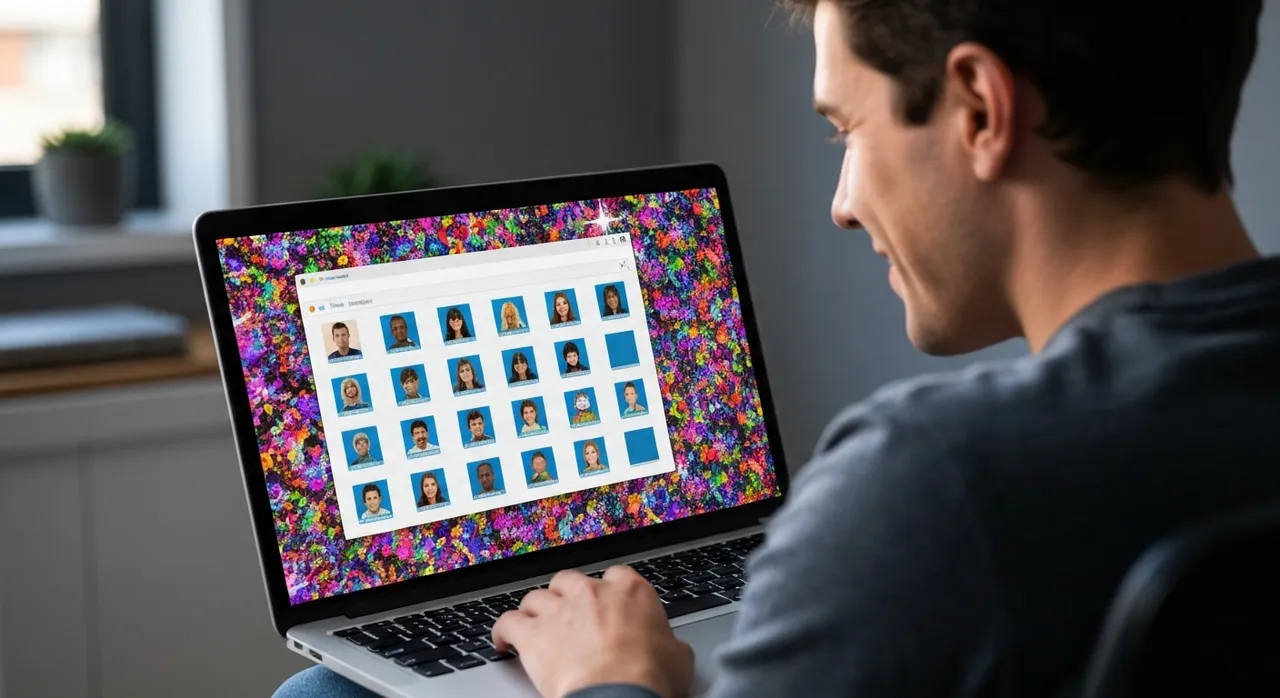
The digital landscape is a relentless churn of innovation, yet every so often, a ghost from the past flickers back to life, reminding us of forgotten eras. April 2026 witnessed just such a phenomenon: a bizarre mini-comeback for MySpace, the pioneering social network that once reigned supreme. This unexpected resurgence, particularly among Millennial audiences, wasn’t merely a fleeting trend; it underscored a profound craving for retro digital experiences and an emotional tether to earlier, arguably simpler, internet days. The MySpace comeback, though perhaps brief, served as a potent cultural touchstone, highlighting how platforms with strong nostalgic ties can resurface when users seek comfort and familiarity amidst today’s hyper-complex digital ecosystems.
The Golden Age and the Great Digital Migration
Launched in 2003, MySpace rapidly ascended to become the most visited website in the U.S. by 2005, a true harbinger of the Web 2.0 era. It was a vibrant, often chaotic, canvas for self-expression, offering features that defined a generation’s online identity. Users could — and did — extensively customize their profiles using HTML and CSS, adding glittery GIFs, autoplaying background music, and meticulously curated “Top 8” friends lists. This level of personalization was revolutionary, making each profile a unique digital fingerprint, a stark contrast to the more uniform interfaces that would follow.
Behind this expressive facade lay a burgeoning technical architecture. Initially built using Adobe ColdFusion, MySpace quickly outgrew its scope due to its rapid user acquisition. It later migrated to ASP.NET, running on Windows Server with IIS 6.0 and leveraging SQL Server 2005 for its vast database infrastructure. At its peak, MySpace’s server infrastructure was gargantuan, comprising over 4,500 web servers, 1,200 cache servers, and more than 500 database servers, processing 1.5 billion page views daily and pushing 100 gigabits of data per second, with 10 gigabits being HTML content and the rest media. To handle this scale, it employed a vertically partitioned database architecture, where separate databases managed different website functions like user profiles and blogs, and a custom distributed file system running on Gentoo Linux for media storage.
However, MySpace’s reign was not to last. Its decline, starting around 2008, was a multifaceted process. The emergence of Facebook with its cleaner interface, innovative features, and broader appeal gradually siphoned users away. Corporate mismanagement following its acquisition by News Corporation in 2005, coupled with a struggle to adapt to changing user expectations, buggy technology, and increasingly intrusive advertising, further eroded its user base. A significant security breach in 2016 exposed hundreds of millions of accounts, severely damaging trust. The platform also suffered a devastating data loss in 2019, accidentally deleting 12 years of user-uploaded music, a symbolic moment in its turbulent history.
The Anatomy of Digital Nostalgia: Why We Look Back
The recent MySpace comeback can be understood through the powerful lens of “nostalgia reactivation” — a phenomenon driven by deeper psychological and sociological forces. In an era marked by rapid technological advancements, economic precarity, climate anxiety, and global instability, people naturally seek comfort in the familiar. Nostalgia acts as a “psychological buffer,” enhancing mood, increasing optimism, and fostering social cohesion.
Millennials, particularly, find solace in digital artifacts reminiscent of their formative years, often seeking content that evokes a sense of more stable or “analog” times. For Gen Z, who paradoxically crave a past they never lived, nostalgia is vicarious, shaped by media-mediated representations through TikTok trends, YouTube videos, and curated Instagram aesthetics. This “new nostalgia” or “nowstalgia” allows younger generations to explore different paces of life and simpler digital interactions, far removed from the hyper-curated, algorithm-driven feeds of today’s dominant platforms.
A significant factor fueling this yearning is "social media fatigue." Users are increasingly exhausted by overwhelming content, endless advertisements, superficial interactions, and pervasive privacy concerns on mainstream platforms. The desire for a less noisy, more authentic, and community-focused online experience pushes users towards simpler, more personal digital spaces. MySpace, with its customizable profiles and focus on individual expression rather than algorithmic feeds, offers a refreshing alternative to the current social media paradigm.
Engineering a Retro Revival: Technical Considerations of a MySpace Comeback
A hypothetical modern MySpace comeback would face significant technical challenges, far beyond simply dusting off old servers. The original MySpace architecture, while impressive for its time, was plagued by buggy technology and struggled to innovate swiftly. Any serious revival would necessitate a careful balance between preserving the nostalgic user experience and integrating modern, robust infrastructure.
Key technical considerations would include:
- Re-platforming and Modern Infrastructure: Moving away from legacy systems like ColdFusion and older Windows Server/SQL Server configurations to modern cloud-native architectures would be paramount. This would involve leveraging scalable microservices, containerization (e.g., Docker, Kubernetes), and serverless computing to handle unpredictable traffic surges more efficiently than the original server farms and vertical partitioning could.
- Data Migration and Preservation: The accidental deletion of millions of songs in 2019 underscores the critical challenge of migrating and preserving legacy user content. A modern MySpace would need robust data recovery protocols, potentially utilizing distributed ledger technologies or immutable storage solutions to ensure content permanence and user trust.
- Secure Customization: The beloved HTML/CSS profile customization, while central to MySpace’s appeal, was also a source of security vulnerabilities (e.g., the Samy worm incident). A modern implementation would require sophisticated sandboxing mechanisms, strict content security policies (CSPs), and client-side sanitization to prevent malicious code injection while still offering creative freedom. Developers could explore Web Components or custom templating engines to provide structured customization without raw HTML access.
- Scalability and Performance: MySpace’s original vertical partitioning strategy aimed to distribute database workload. A contemporary platform would employ horizontal scaling for both application servers and databases, likely using sharding or geographically distributed databases to ensure low latency and high availability globally. Advanced caching layers, content delivery networks (CDNs), and efficient media streaming protocols would be essential for handling the anticipated media-rich content.
- API-First Development: Building an extensive API layer would allow for greater interoperability, third-party integrations (a feature MySpace initially embraced to success), and future expansion into mobile applications without overhauling core backend logic.
The User Experience of Yesteryear: Embracing “Nowstalgia”
The allure of a MySpace comeback lies not just in its name, but in the distinctive user experience it offered. This isn’t about mere replication; it’s about “nowstalgia” — a blend of nostalgia and innovation. Retro-futuristic UX design principles would be key to a successful revival, balancing the charm of yesteryear with the expectations of modern users.
The design would intentionally evoke the early 2000s internet: pixelated graphics, bold sans-serif fonts, vibrant neon color palettes, and interactive elements that feel tangible and alive. Crucially, it must retain the core elements that fostered a sense of individuality:
- Customizable Profiles: Empowering users to personalize their pages — perhaps with modern, secure equivalents of HTML/CSS editing tools — would be non-negotiable. This could involve a robust theme engine or a visual editor that compiles into secure, sanitized code.
- Embedded Music: The iconic autoplaying profile song would return, perhaps with modern licensing and streaming integrations, allowing users to express their identity through sound.
- “Top 8” Friends: This feature, which allowed users to publicly display their closest connections, fostered a unique social dynamic and sense of hierarchy that is absent from today’s expansive friend lists.
- Blogs and Personal Expression: Moving beyond fleeting posts, a revived MySpace could re-emphasize longer-form personal content, offering a space for genuine storytelling.
Designers would focus on emotion over pure aesthetics, ensuring usability isn’t compromised by retro style. The goal would be a platform that feels current yet familiar, delivering joy and surprise through its blend of old-school visuals and modern efficiency. The absence of complex algorithms and an emphasis on user control — allowing users to curate their own experience — would be a powerful differentiator against today’s algorithmically driven feeds.
Beyond the MySpace Comeback: The Future of Niche and Emotional Platforms
The MySpace comeback, even in its mini-form, is a potent illustration of a broader shift in the digital landscape: the rise of niche social media platforms and micro-communities. After a decade dominated by massive social media giants that prioritize algorithms and ads, users are seeking more intimate, authentic, and focused online interactions.
These specialized spaces cater to specific interests, industries, or lifestyles, offering higher engagement rates and fostering more meaningful connections. Platforms like Discord, Reddit, and emerging niche networks demonstrate that users crave communities where they feel safe, heard, and connected by common interests, rather than broadcasting to an undifferentiated mass audience. The "niche is the new mainstream" sentiment reflects a desire for quality over quantity in online interactions.
Lessons from MySpace’s initial decline — the importance of consistent user experience, innovation, and adapting to user needs — are highly relevant today. For current social media giants, the MySpace phenomenon serves as a stark reminder that neglecting user experience, privacy, and genuine connection in favor of monetization and algorithmic control can lead to fatigue and a longing for simpler alternatives. For startups, it highlights the immense value in creating platforms that prioritize user autonomy, authentic self-expression, and a strong sense of community.
Conclusion: A Digital Renaissance of Connection
The bizarre mini-comeback of MySpace in April 2026 was more than just a fleeting moment of internet irony. It was a clear signal — a vibrant echo from the past that resonated deeply with a generation yearning for authenticity and control in their digital lives. This MySpace comeback underscored the enduring power of nostalgia, acting as a psychological anchor in turbulent times and fostering a desire for the comfort of familiar digital touchstones.
MySpace, in its brief resurgence, reminded us of an era when the internet felt more personal, more raw, and more genuinely reflective of individual identity. It highlighted the value of customizability, music, and curated friend lists that allowed users to truly “own” their online space, a stark contrast to the often homogeneous and algorithm-driven feeds of today. While the technical challenges of fully resurrecting a platform like MySpace are immense, the cultural appetite for such an experience is undeniable.
Ultimately, this nostalgic awakening signals a potential digital renaissance — a movement towards more focused, emotionally resonant, and user-centric online environments. Whether through reimagined retro platforms or innovative new niche communities, the future of social media may well lie in reconnecting with the very human needs that MySpace, in its heyday, so powerfully fulfilled: the need for self-expression, genuine connection, and a digital home that truly feels like our own.
Written by
TempMail Ninja
Digital privacy and online security expert. Passionate about creating tools that protect users' identity on the internet.