Singapore Avatar Leaker Arrested: A Case of Revenge Piracy
Article Content
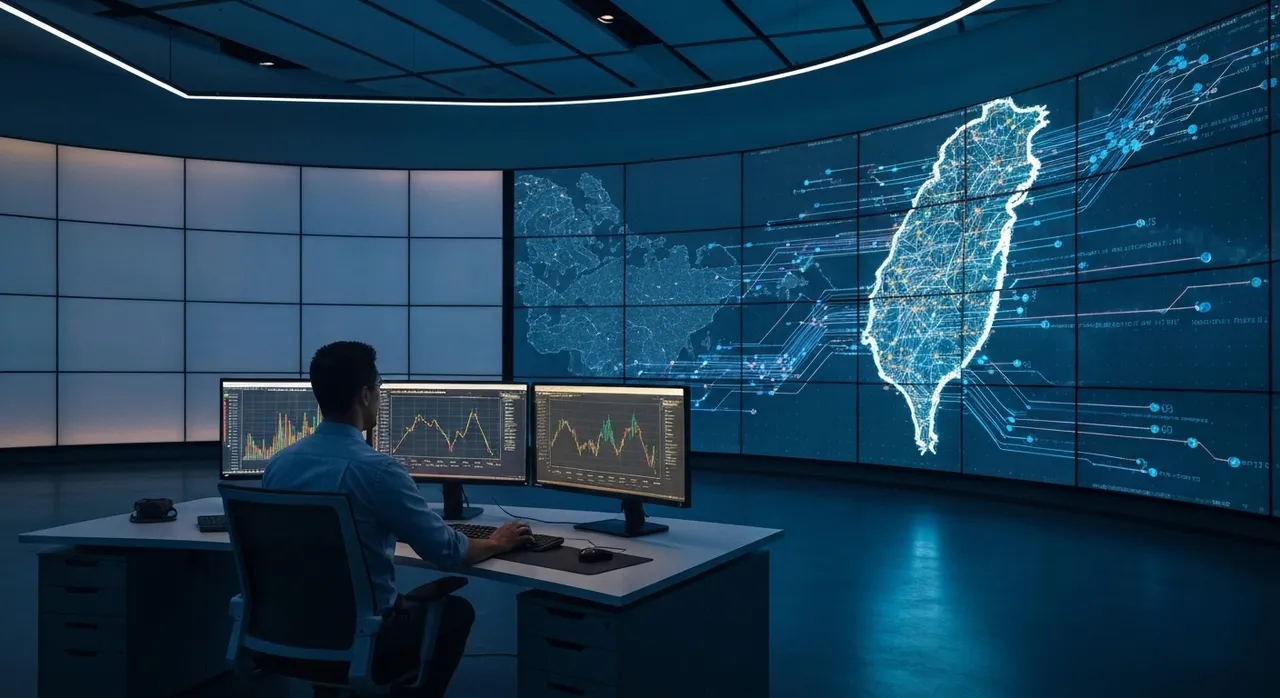
On April 24, 2026, the digital world was jolted by a high-profile arrest in the heart of Southeast Asia’s technological hub. The Singapore Avatar leaker, a 26-year-old mechanical engineer and independent game developer, was apprehended by the Singapore Police Force (SPF) in connection with one of the most significant media breaches in recent history. The suspect is accused of orchestrating the unauthorized release of Paramount’s highly anticipated animated feature, The Legend of Aang: The Last Airbender, a film that had already become a focal point of industry tension following its pivot from a global theatrical release to a streaming-exclusive rollout.
This case, however, transcends the typical narrative of intellectual property theft. Unlike the “warez” groups of the early 2000s who sought notoriety or the modern IPTV syndicates seeking profit, this individual—operating under the social media handle @ImStillDissin—claimed a motivation rooted in digital activism and “trolling.” The arrest has ignited a fierce debate over the future of physical media, the security of cloud-based production servers, and the emerging phenomenon known as “revenge piracy.”
The Arrest of the Singapore Avatar Leaker: A High-Stakes Digital Takedown
The investigation began in mid-April 2026, when snippets of high-quality, unreleased footage from The Legend of Aang began appearing on X (formerly Twitter). The initial leak consisted of a breathtaking three-minute sequence featuring an aged-up “Team Avatar,” complete with voice acting from Dave Bautista (the film’s primary antagonist). While fans were initially ecstatic, the situation escalated rapidly when the entire feature-length film was indexed across dark web forums and peer-to-peer (P2P) networks just days later.
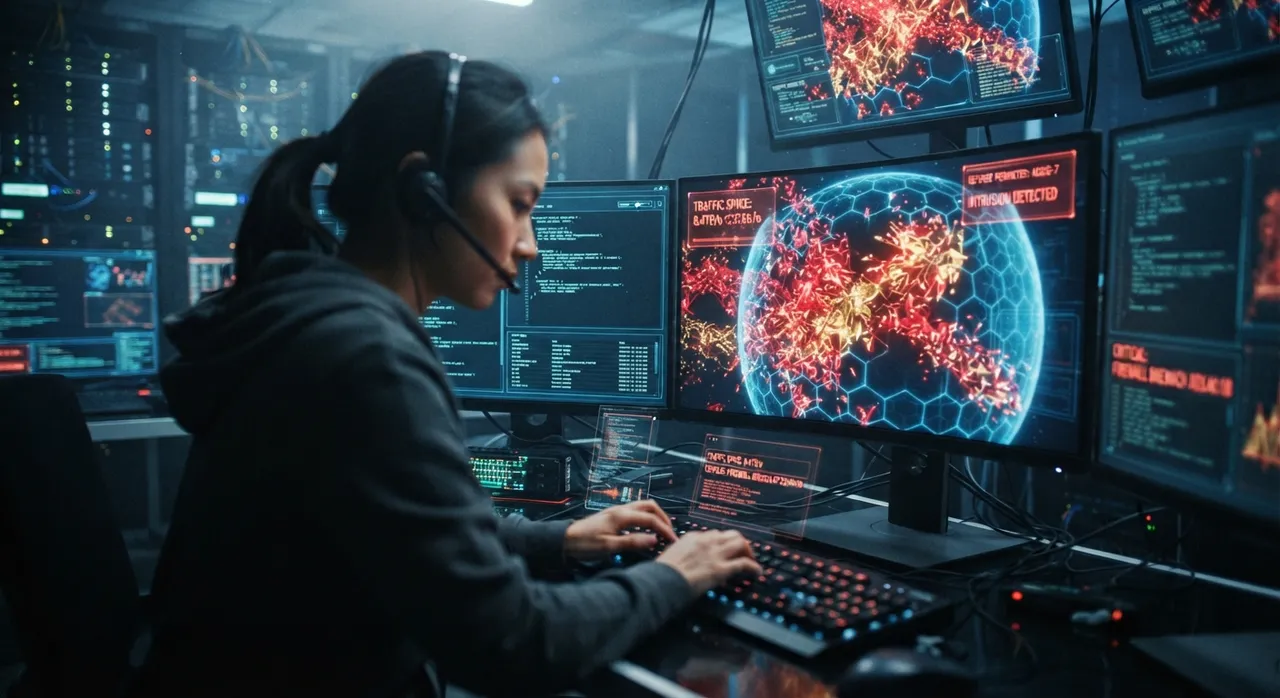
The Singapore Avatar leaker didn’t just dump the file; he engaged in a calculated taunting of the studio. In posts that have since been scrubbed from the platform, the suspect claimed that Nickelodeon had “accidentally emailed” him the file—a claim that investigators quickly debunked. According to reports from the Criminal Investigation Department (CID) and the Technology Crime Division, the suspect actually gained unauthorized remote access to a restricted media-content server. By the time the SPF moved in on April 24, they had recovered multiple electronic devices from the suspect’s residence, including a master digital copy of the unreleased film.
Anatomy of the Breach: Technical Depth and Server Vulnerabilities
The technical methods used by the Singapore Avatar leaker highlight a growing vulnerability in the media industry’s “work-from-anywhere” infrastructure. Since the consolidation of Paramount and Skydance, much of the post-production for The Legend of Aang was handled via decentralized cloud servers to allow global teams—such as the animators at Flying Bark Productions—to collaborate in real-time. Preliminary forensic reports suggest the following technical vectors were exploited:
- Credential Stuffing or Phishing: Investigators believe the suspect may have targeted a third-party vendor’s credentials to bypass Multi-Factor Authentication (MFA) protocols, gaining access to the studio’s Media Asset Management (MAM) system.
- Remote Access Exploitation: As a “mechanical engineer and independent game developer,” the suspect possessed the technical literacy to utilize sophisticated Remote Access Trojans (RATs) or exploit unpatched vulnerabilities in the server’s VPN gateway.
- Digital Footprint: Despite his efforts to “troll” anonymously, the suspect’s reliance on home-based IP addresses and his digital “manifesto” sent to family members provided a clear trail for the Cyber Security Agency of Singapore (CSA).
The “Revenge Piracy” Manifesto: Protesting the Death of Physical Media
What sets this case apart from a standard criminal prosecution is the suspect’s self-styled identity as a “digital martyr.” In a manifesto sent to his family and later partially leaked online, the Singapore Avatar leaker argued that his actions were a protest against the “streaming consolidation era.” He targeted the film specifically because Paramount had recently scrapped its planned theatrical release in favor of a streaming-exclusive debut on Paramount+.
In the suspect’s view, the move to streaming represents a “rental-only future” where consumers no longer own the media they purchase. His manifesto outlined several grievances that resonate with a specific subset of the digital culture:
- The Death of Physical Media: He lamented the decline of Blu-ray and 4K physical releases, which offer superior bitrates and permanent ownership compared to volatile streaming licenses.
- Subscription Fatigue: He critiqued the fragmentation of the market, where fans must subscribe to multiple services to follow a single franchise.
- Corporate Accountability: By leaking the film, he aimed to “punish” the administration for what he termed a “disrespectful” release strategy that robbed animators of their big-screen debut.
This “revenge piracy” is a new frontier for digital historians. It isn’t about making money; it’s about using information as a weapon to force a conversation on corporate policy. However, this “Robin Hood” narrative has been met with sharp criticism from the artists themselves. Animators like Julia Schoel and Tom Barkel, who spent years on the project, expressed heartbreak that their work was first viewed in a compressed, stolen format rather than the cinematic experience they had envisioned.
Legal Implications Under Singapore’s Strict Cybersecurity Framework
Singapore is notorious for its uncompromising stance on cybercrime and intellectual property theft. The Singapore Avatar leaker currently faces a gauntlet of charges that could see him spend the better part of a decade behind bars. The legal framework surrounding this case is anchored by two primary pieces of legislation:
The Computer Misuse Act (CMA)
The suspect is being primarily investigated for unauthorized access to computer material under the Computer Misuse Act. In Singapore, this is not a slap on the wrist. Given the “hacker-troll” nature of the incident and the scale of the data stolen, the suspect faces:
- A maximum prison sentence of seven years.
- A fine not exceeding S$50,000.
- Potential additional charges if it is proven that he intended to facilitate further criminal acts.
The Copyright Act 2021
In addition to the hacking charges, the Copyright Act 2021—which was significantly updated to tackle the modern era of Illegal Streaming Devices (ISDs) and digital distribution—may be applied. Since the suspect distributed the film “to such an extent as to affect prejudicially the owner of the copyright,” he could face further civil and criminal liabilities. Singaporean courts have recently shown a willingness to impose deterrent sentences in piracy cases to signal to the global community that the “Lion City” remains a secure environment for intellectual property.
The timing of the arrest is also significant, coming shortly after the Cybersecurity (Amendment) Act 2024 came into full force in late 2025. This amendment expanded the powers of the CSA to oversee “systems of temporary cybersecurity concern,” which likely included the media servers utilized during the film’s production cycle.
Industry Impact: The Aftermath for Avatar Studios and Beyond
The fallout from the Singapore Avatar leaker‘s actions will be felt long after the court proceedings conclude. For Avatar Studios, the leak is a catastrophic blow to their marketing strategy for The Legend of Aang. With the full film already circulating on 4chan and various pirate “mirrors,” the incentive for casual viewers to subscribe to Paramount+ in October 2026 has been severely diminished.
Furthermore, this case serves as a wake-up call for the entertainment industry’s security protocols. If a 26-year-old engineer in Singapore can access the “crown jewels” of a major Hollywood studio from his bedroom, the current model of decentralized, cloud-based production is fundamentally broken. We are likely to see a shift back toward “Air-Gapped” editing suites and more stringent Zero-Trust Architecture within the media sector.
As digital culture evolves, the line between “trolling” and “cyber-terrorism” continues to blur. The Singapore Avatar leaker may see himself as a defender of physical media, but in the eyes of the law—and the thousands of artists whose livelihoods depend on successful releases—he is simply a modern pirate. His fate will serve as a landmark precedent for how the world handles revenge piracy in an increasingly fragmented digital landscape.
Key Takeaways from the Case:
- Identity: 26-year-old Singaporean male, mechanical engineer/game dev.
- Motivation: Protesting the pivot from theatrical to streaming-only release.
- Legal Risk: Up to 7 years in prison under the Computer Misuse Act.
- Security Lesson: Third-party media servers remain a high-risk vector for studios.
In the end, the story of the Singapore Avatar leaker is a cautionary tale for the digital age. It is a reminder that while the way we consume stories has changed—from DVDs to streaming to instant leaks—the consequences of breaking the digital seal remain as real as ever.
Written by
TempMail Ninja
Digital privacy and online security expert. Passionate about creating tools that protect users' identity on the internet.