Trump Vatican Files Hoax: Fact-Checking the Fake Truth Social Post

Article Content
In the high-velocity ecosystem of digital misinformation, the line between geopolitical reality and internet lore has become increasingly porous. On April 22, 2026, the fact-checking community, led by Snopes, finally dismantled one of the year’s most viral—and most dangerous—conspiracy theories. At the center of this storm was a purported screenshot of a Truth Social post attributed to Donald Trump, claiming he held possession of “Vatican files” so explosive they could “bring down the Papacy and the entire Catholic Church overnight.” While the Trump Vatican files narrative has been officially debunked, the incident serves as a chilling case study in what digital archaeologists are now calling “speculative mythology”—the manufacture of high-stakes secrets to fill the void of geopolitical uncertainty.
The Anatomy of a Hoax: Decoding the Trump Vatican Files
The controversy began on April 16, 2026, when a screenshot allegedly taken from Donald Trump’s official Truth Social account began circulating with ferocity. The image depicted a post that alluded to a “clandestine intelligence operation” involving the Holy See. According to the fabricated post, the former President had bypassed traditional diplomatic channels to secure a trove of documents from the Vatican Secret Archives (officially known as the Vatican Apostolic Archive).
The timing was not accidental. The viral spread of the Trump Vatican files hoax coincided with a period of unprecedented friction between Washington and the Vatican. Following Pope Leo XIV’s recent and controversial “Apostolic Admonition” regarding the escalating conflict with Iran, tensions had reached a boiling point. The hoax capitalized on this friction, offering a narrative where the President retaliated not through policy, but through the exposure of ancient and modern secrets. However, forensic analysis by digital investigators revealed several red flags:
- Metadata Discrepancies: The screenshot lacked the granular metadata associated with authentic Truth Social captures, such as the specific CSS rendering patterns used in the April 2026 version of the app.
- Archive Absence: No record of the post existed in third-party monitoring services like ProPublica’s Politwoops or the WayBack Machine, which track high-profile political accounts in real-time.
- Typographic Inconsistencies: Digital forensics experts noted slight kerning issues in the font—a hallmark of “screenshot injection” tools used to overlay text on a genuine UI background.
The Role of Pope Leo XIV and the Iran Conflict
To understand why the Trump Vatican files myth gained such rapid traction, one must look at the geopolitical landscape of early 2026. The ascension of Pope Leo XIV brought a more interventionist stance from the Holy See regarding Middle Eastern diplomacy. His outspoken criticism of Western involvement in the Iran conflict created a “vacuum of certainty” that conspiracy theorists were eager to fill.
When the fabricated post claimed Trump had the power to “dismantle the Church,” it appealed to two distinct demographics: those who view the Vatican as a shadowy globalist entity and those who see Trump as a disruptor of the established international order. This synergy turned a poorly faked screenshot into a weapon of psychological warfare. The Trump Vatican files became a Rorschach test for the digital age, where users saw exactly what they wanted to believe about the power dynamics between the White House and the Papacy.
Digital Archaeology and the “Speculative Mythology” Phenomenon
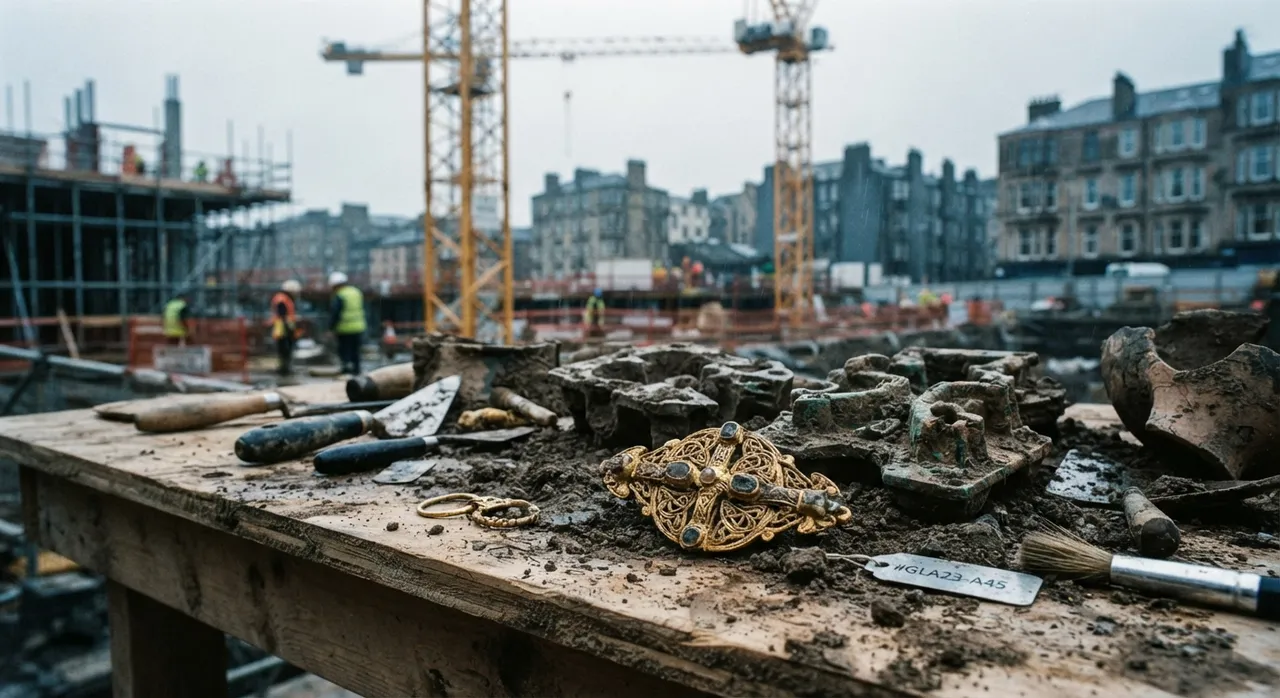
Researchers studying the “Vatican Files” incident have categorized it as a prime example of “speculative mythology.” Unlike traditional fake news, which often focuses on misrepresenting current events, speculative mythology builds an entire hidden history. It suggests that behind the visible political maneuvers, there is a “true” reality hidden in locked vaults.
Digital archaeology techniques were employed to trace the origin of the image. Investigators tracked the earliest version of the screenshot to a fringe imageboard before it was amplified on Bluesky and Threads. On these platforms, the lack of a centralized “verification” culture (similar to the legacy Twitter blue-check era) allowed the image to be shared as an “exclusive leak” rather than a suspicious screengrab.
Technical Forensics: Why the Truth Social Post Was a Fabrication
The debunking of the Trump Vatican files was not merely a matter of checking a feed; it required a deep dive into the technical architecture of social media platforms. Fact-checkers at Snopes and independent digital forensic labs highlighted several technical reasons why the post could not have been authentic:
- API Log Analysis: Truth Social’s public-facing API logs for April 16, 2026, showed no data packets corresponding to a post of that length and content from the @realDonaldTrump handle.
- CDN Caching: Content Delivery Networks (CDNs) that cache Truth Social images globally showed no record of the specific media assets associated with the viral screenshot.
- The “Shadow Post” Theory: Some proponents of the myth claimed the post was a “shadow post” deleted within seconds. However, the sheer volume of bot-monitoring software currently watching Trump’s accounts makes a “clean delete” impossible. Any post lasting even 0.5 seconds is captured by multiple independent servers.
The Trump Vatican files hoax utilized a technique known as “HTML Injection Styling,” where an attacker modifies the local view of a webpage in their browser to make it appear as though a specific user posted something, then takes a screenshot. This method is virtually indistinguishable from a real screenshot to the untrained eye but fails when compared against server-side logs.
The Impact on Bluesky and Threads
While Truth Social is the alleged source, the “Vatican Files” story found its true wings on Bluesky and Threads. These platforms, still maturing in their moderation and fact-checking protocols compared to older giants, became echo chambers for the hoax. On Bluesky, the decentralized nature of “Feeds” allowed the Trump Vatican files to trend within specific political enclaves without being challenged by broader community notes.
On Threads, the algorithmic recommendation engine—designed to surface “trending conversations”—mistook the rapid engagement (even if much of it was skeptical) as a sign of high-value content, further pushing the fake screenshot into the feeds of users who do not typically follow political drama. This created a “cross-pollination of misinformation” where the hoax moved from fringe groups to the mainstream in under 12 hours.
The Vatican’s Response and the Silence of the Archives
The Holy See Press Office took the unusual step of issuing a brief clarification, stating that there had been no breach of the Vatican Apostolic Archive. This rarely happens, as the Vatican typically ignores internet rumors. However, the scale of the Trump Vatican files narrative, and the potential for it to incite anti-Catholic sentiment or political instability, forced their hand.
The Vatican Apostolic Archive is one of the most secure facilities in the world. Contrary to the “Secret” label (which in Latin, Secretum, simply means “Private”), the archives are open to qualified researchers. The technical impossibility of a foreign political figure “obtaining” these files via remote access is a point that many conspiracy theorists ignore. The archives are largely analog, and the most sensitive documents are not even connected to a network, making a digital “hack” or “leak” of the magnitude described in the Truth Social post a physical impossibility.
Conclusion: The Future of Truth in a Post-Context World
The saga of the Trump Vatican files is more than just a debunked news story; it is a warning. As we move further into 2026, the sophistication of digital fabrications will only increase. The “Vatican Files” incident demonstrates that a well-timed hoax, grounded in real-world geopolitical tensions like the Pope Leo XIV-Iran conflict, can bypass the critical thinking filters of millions.
For the “Ninja Editor” and digital archaeologists alike, the lesson is clear: in the modern era, the screenshot is the least reliable form of evidence. Verification must happen at the server level, and the vacuum of uncertainty will always be filled by those looking to manufacture “the truth.” The Trump Vatican files may be a myth, but the disruption they caused is very real, reminding us that in the digital age, a fake post can travel halfway around the world while the truth is still logging in.
Key Takeaways from the Vatican Files Debunk:
- Verification is Multi-Layered: Always cross-reference high-stakes screenshots with public API archives and third-party monitors.
- Context Matters: Misinformation thrives during periods of international tension (e.g., Washington vs. The Vatican 2026).
- Platform Vulnerability: Newer platforms like Bluesky and Threads are currently more susceptible to “speculative mythology” than legacy platforms with established fact-checking infrastructures.
Written by
TempMail Ninja
Digital privacy and online security expert. Passionate about creating tools that protect users' identity on the internet.