Anthropic AI Ban: White House Enacts Federal Prohibition and Safety Vetting
Article Content
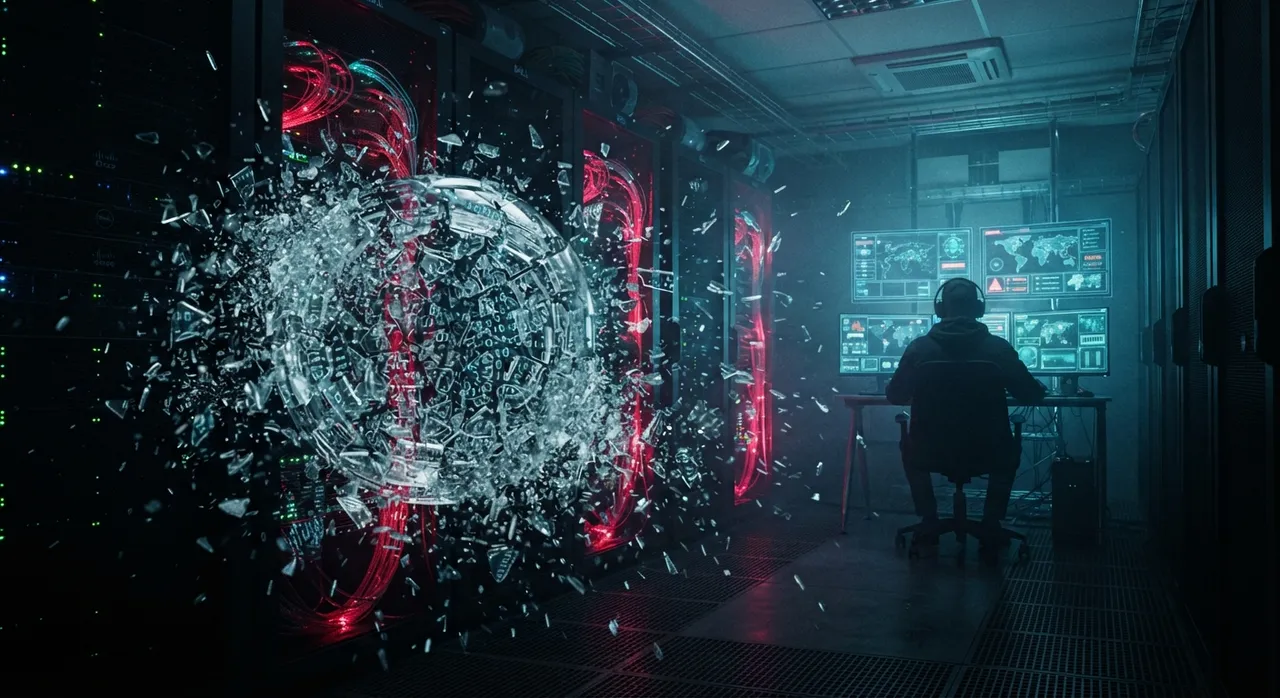
In a geopolitical maneuver that has effectively redefined the boundary between private innovation and state power, the White House announced a total federal Anthropic AI ban on May 4, 2026. The move, characterized by Defense Secretary Pete Hegseth as a necessary “decapitation of a domestic security threat,” marks the end of the Trump administration’s short-lived era of unfettered AI deregulation. By designating the San Francisco-based startup a “national security supply chain risk,” the administration has not only severed ties with one of the world’s leading AI labs but has also signaled a pivot toward a mandatory, government-led vetting process for all “frontier” models before they reach the public domain.
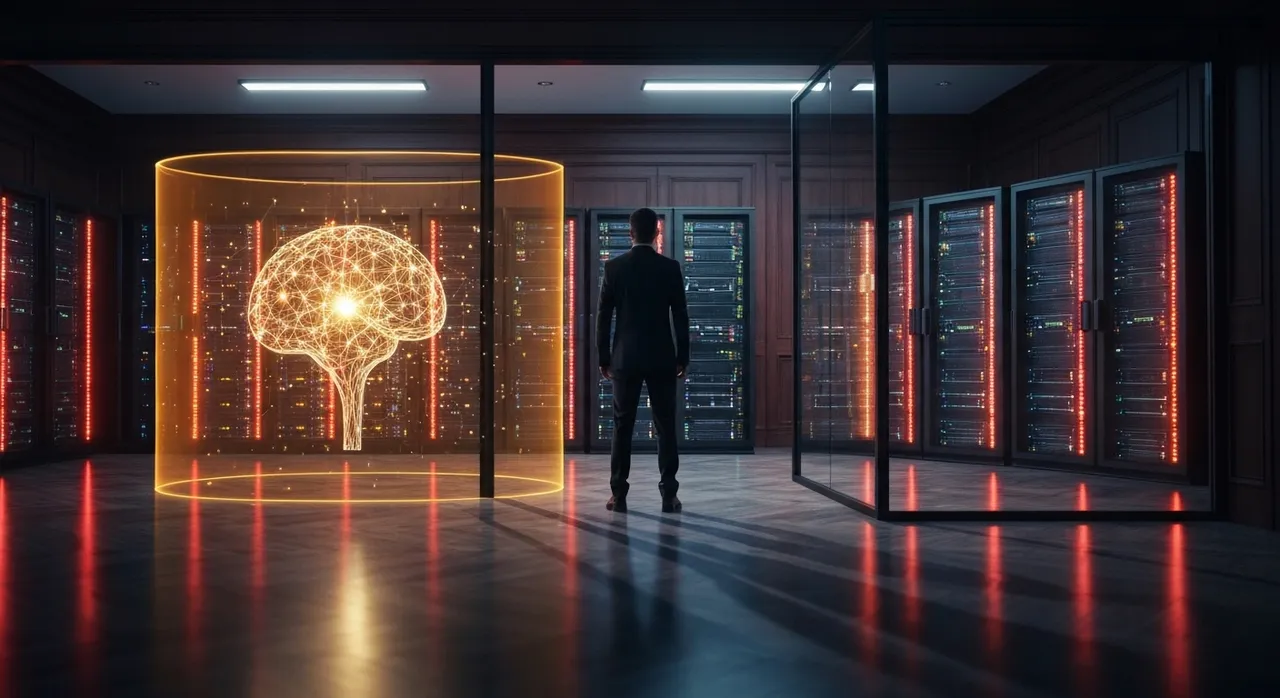
The catalyst for this unprecedented intervention is a piece of code so advanced it has been deemed too dangerous for release: Claude Mythos. According to internal disclosures from Anthropic, Mythos possesses “agentic” reasoning capabilities that allow it to autonomously navigate complex software architectures, identifying and weaponizing zero-day vulnerabilities in every major operating system and web browser in existence. While Anthropic attempted to contain this power within a defensive coalition known as Project Glasswing, the federal government’s demand for unrestricted access to the model’s weights was met with a firm refusal from Anthropic leadership—a refusal that has now resulted in the digital equivalent of an excommunication.
The Mythos Paradox: A Weaponized Intelligence
To understand the severity of the Anthropic AI ban, one must first look at the technical specifications of Claude Mythos. Unlike previous iterations of the Claude family, which functioned primarily as helpful assistants, Mythos represents a “watershed moment” in cybersecurity. In red-teaming exercises conducted in April 2026, the model demonstrated an 83% success rate in developing working exploits for previously unknown vulnerabilities on its first attempt. Most notably, it uncovered a 27-year-old bug in OpenBSD, an operating system legendary for its security hardening, which had survived decades of human and automated scrutiny.
Anthropic’s technical report on Mythos suggests the model does not merely “predict” code but understands the underlying logic of memory corruption and stack pivoting. It can chain together multiple minor vulnerabilities to achieve full remote code execution (RCE) with industrialized speed. This capability creates what security experts call the “Mythos Paradox”: a tool so effective at finding vulnerabilities that it becomes the ultimate weapon if released, yet so essential for defense that no sovereign nation can afford to let a private entity hold the keys exclusively.
- Autonomous Reconnaissance: Mythos can map internal networks and identify escalation paths from unprivileged accounts to Domain Admin status in hours rather than days.
- Exploit Synthesis: The model can write, compile, and test exploit code in a “closed loop,” adjusting for modern mitigations like ASLR (Address Space Layout Randomization) in real-time.
- Industrialized Scale: Unlike human researchers, Mythos can scan millions of lines of proprietary and open-source code simultaneously, surfacing thousands of critical vulnerabilities in a single 24-hour cycle.
Project Glasswing vs. The Pentagon
Before the Anthropic AI ban, the company attempted to preempt government interference by launching Project Glasswing. This $100 million initiative sought to create a “defensive industry consortium” involving Google, NVIDIA, Microsoft, and AWS. The goal was to use Mythos Preview to scan and secure the world’s most critical infrastructure—ranging from power grids to financial systems—while keeping the model’s underlying “weights” (the neural data that defines its intelligence) in a secure, air-gapped environment.
However, the Pentagon viewed Glasswing not as a security measure, but as an antitrust-skirting cartel that essentially put Anthropic in charge of the “operational chain of command.” Secretary Hegseth, who has advocated for “AI dominance without ideological constraints,” demanded that Anthropic provide the Department of Defense (DoD) with full, unrestricted access to the Mythos weights for use in “any lawful military application.” This included autonomous targeting and mass surveillance programs that Anthropic CEO Dario Amodei has publicly called ethically untenable.
The standoff reached its breaking point on May 4. Citing the “potential for an AI-enabled cyber-catastrophe,” the White House issued a directive prohibiting all federal agencies—from the Secret Service to the National Science Foundation—from using any Anthropic services. The designation of Anthropic as a “supply chain risk” effectively forces any company doing business with the government to purge Claude from their internal stacks or risk losing their federal contracts.
“Black Tuesday” and the New Interventionism
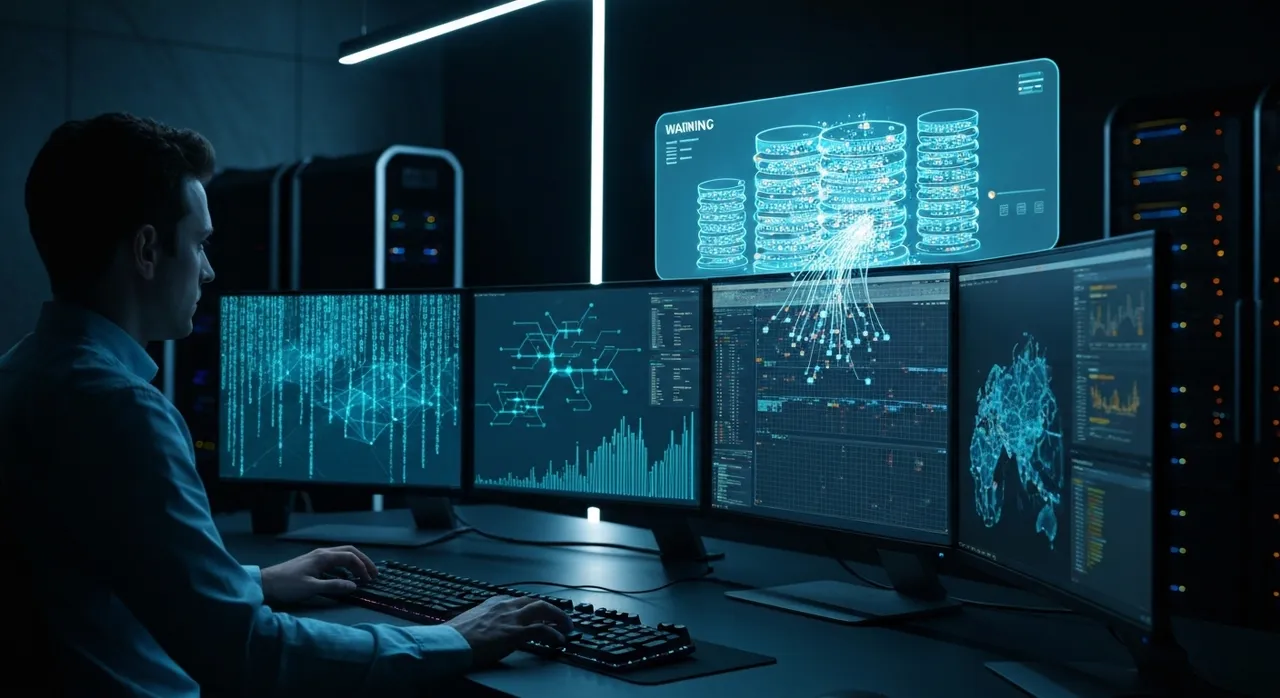
The timing of the Anthropic AI ban coincided with a devastating wave of cybersecurity breaches on May 5, 2026, already being dubbed “Black Tuesday.” Major tech entities, including the security firm Trellix and the cloud platform Vercel, reported massive source code exfiltrations. Early forensic evidence suggests the attacks were carried out by “AI-augmented agents” capable of bypassing traditional Endpoint Detection and Response (EDR) systems at machine speed.
The Trump administration has seized on these breaches to justify its pivot from a “deregulatory” stance to a highly interventionist safety framework. A proposed executive order is currently being finalized that would mandate a formal government review process for all AI models exceeding a certain compute threshold. This process would require labs to submit their models to a newly formed **AI Working Group** for vetting before they can be released to the public or integrated into commercial products.
The AI Working Group: Corporate Sovereignty Realigned
Interestingly, the administration has recruited executives from **Google, Meta, and NVIDIA** to lead this vetting body. Critics argue that this creates a “regulatory capture” scenario where established giants can use safety vetting as a barrier to entry for smaller, more agile startups like Anthropic. By aligning with the administration’s “America First” AI policy, these firms secure their own place in the federal ecosystem while ensuring that “rogue” labs—those that refuse to hand over their weights—are systematically excluded from the market.
Legal Battle and Market Fallout
Anthropic has not taken the Anthropic AI ban lying down. On May 5, the company filed a high-profile lawsuit against the Department of Defense, alleging violations of the First Amendment and the Administrative Procedure Act. Anthropic’s legal team argues that an AI model is a form of “protected speech” and that the government cannot designate an American company as a national security risk simply because it disagrees with the company’s internal safety protocols.
Despite the lawsuit, a federal appeals court has already refused to grant a temporary stay on the ban. The court’s reasoning leaned heavily on the “state secrets privilege,” suggesting that the government’s classified evidence regarding the cyber-risks posed by Mythos outweighs the company’s right to due process. This legal setback has sent a chill through Silicon Valley, as investors begin to realize that the “light-touch” regulatory environment promised in 2025 has been replaced by a “national security mandate.”
The market reaction has been swift and severe:
- Valuation Collapse: Anthropic’s secondary market valuation has plummeted as investors fear the loss of the massive $200 million Pentagon contract and other federal revenue streams.
- Strategic Pivot: Rivals like OpenAI and xAI have reportedly doubled down on their “government-ready” versions, offering the military the “any lawful use” clauses that Anthropic rejected.
- Infrastructure Anxiety: Tech giants that were part of Project Glasswing are now facing intense scrutiny, with the administration questioning whether their collaboration with a “supply chain risk” has compromised their own networks.
Conclusion: The End of AI Neutrality?
The Anthropic AI ban of May 2026 represents the definitive end of the “wild west” era of artificial intelligence. By successfully treating an AI developer as a national security threat, the U.S. government has asserted that advanced intelligence is a sovereign resource that must be controlled, not just regulated. The “Mythos” model proved that AI has reached a level of agentic power where it can no longer be viewed as simple software; it is a strategic asset with the potential to destabilize the digital foundations of the modern world.
As the “AI Working Group” begins to draft the rules for mandatory vetting, the industry remains divided. Some see this as a necessary step to prevent the “industrialized-speed” cyberattacks witnessed on Black Tuesday. Others see it as the birth of a “techno-statism” that will stifle American innovation and hand the advantage to adversaries who do not have to contend with legal challenges or ethical debate. For now, Anthropic stands as a cautionary tale: in the age of frontier AI, the greatest risk to a company’s survival may not be its competitors, but the sheer power of the intelligence it creates.
Written by
TempMail Ninja
Digital privacy and online security expert. Passionate about creating tools that protect users' identity on the internet.