Banksy True Identity Revealed: Reuters Investigation Sparks Global Debate
Article Content
For over three decades, the figure known as Banksy has operated within the shadows, using the cloak of anonymity to execute a sophisticated critique of modern political, social, and economic structures. This deliberate obfuscation of the Banksy true identity has been more than a simple security measure; it has been the cornerstone of his artistic project. By separating the persona from the person, he enabled his work—stenciled on the walls of conflict zones and the facades of major financial institutions—to occupy a space of pure, unmediated confrontation. That delicate balance, however, appears to have been shattered.
The Technical Anatomy of the Unmasking
On March 13, 2026, Reuters published an exhaustive investigative report that sent shockwaves through the global art community. Leveraging an unprecedented volume of data, the investigative team claimed to have settled the enduring question of the artist’s real name. Far from a singular “gotcha” moment, the report functions as a masterclass in modern digital forensics and archival research, piecing together a mosaic of evidence that spans continents and decades.
The Reuters team’s approach was multidimensional, combining physical evidence with digital footprints that had been scattered, ignored, or actively obscured since the early 2000s. Key components of their investigative technical workflow included:
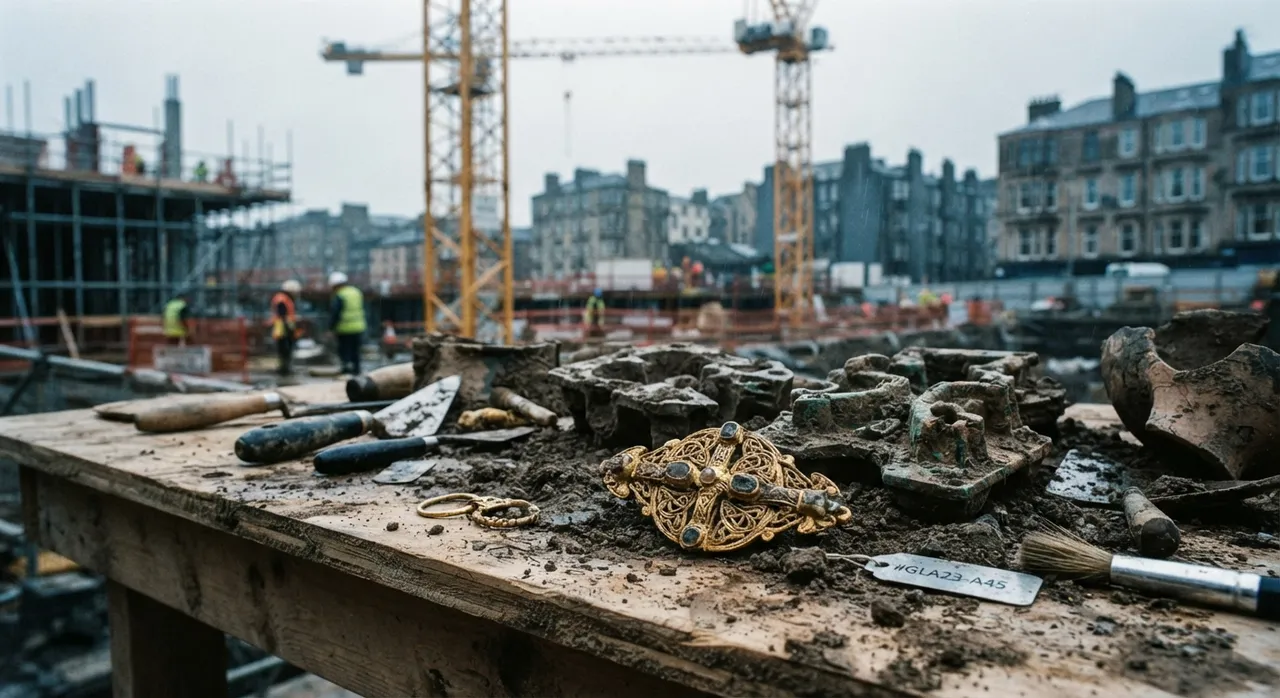
- Archival Retrieval: The investigation unearthed previously undisclosed U.S. court and police records, most notably a handwritten confession related to a misdemeanor disorderly conduct charge in New York in 2000. This document, according to the report, links the persona unequivocally to a legal identity.
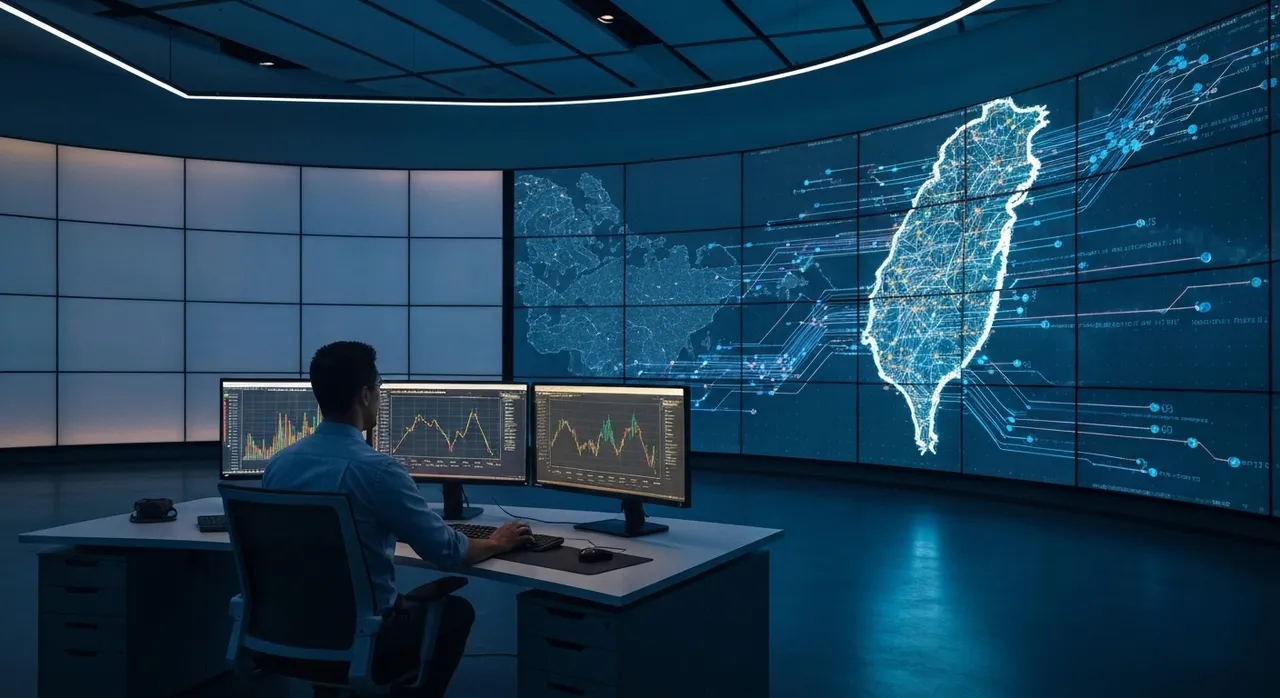
- Geospatial and Travel Data: By cross-referencing public records with the movements of suspected associates, particularly in the wake of the 2022 mural installations in Ukraine, investigators were able to triangulate travel patterns. This analysis debunked long-held theories—such as the link to Robert Del Naja of Massive Attack—while simultaneously placing the identified individual at critical times and locations.
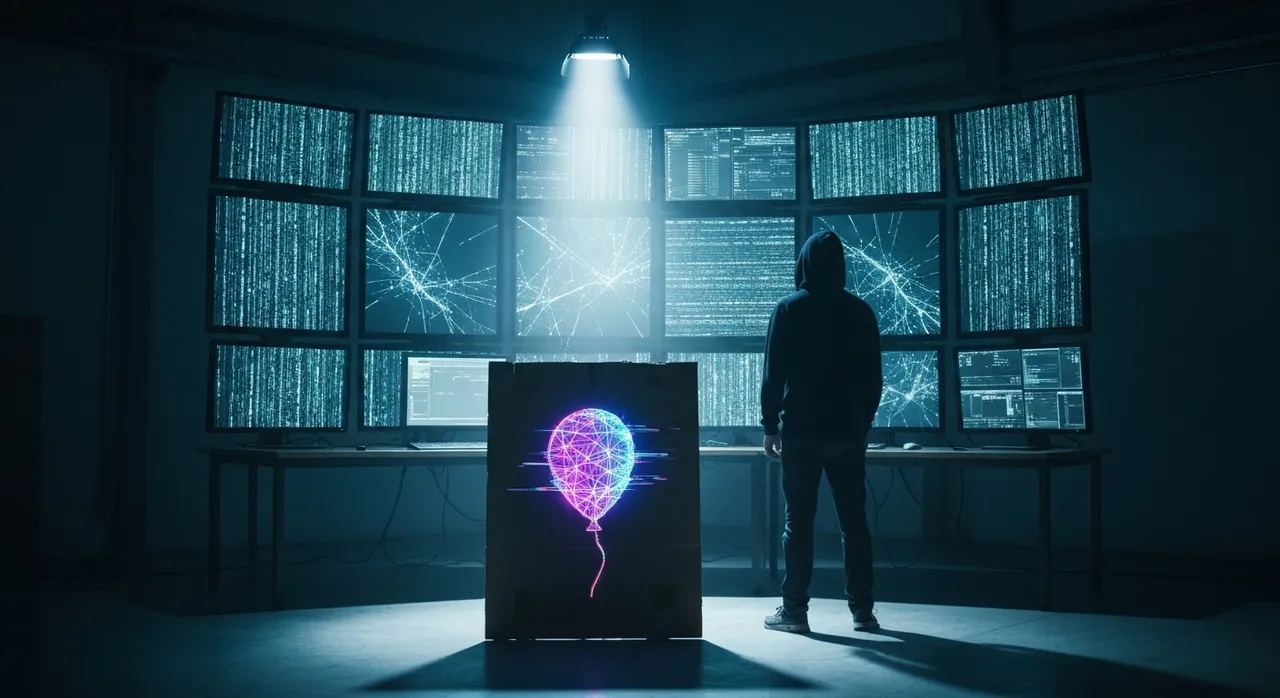
- Digital Footprint Analysis: The report tracked the transition from a known identity (Robin Gunningham) to a secondary persona (David Jones) adopted around 2008. The investigation meticulously documented how this transition allowed the individual to effectively “scrub” digital presence, a technique that had previously stymied less rigorous attempts at identification.
- Collaborative Testimony: By synthesizing interviews with dozens of insiders, former collaborators, and residents in regions where the art appeared, the reporters constructed a comprehensive narrative of the artist’s operational logistics.
The result is a portrait of a meticulous, highly aware individual who utilized systemic legal and digital obfuscation to maintain a dual existence. Following the publication, search interest regarding the Banksy true identity surged by over 300% globally, marking a significant inflection point in the public’s perception of the artist.
The Ethics of Doxxing a Myth
The revelation has triggered a fierce debate that transcends the art world, touching upon the ethics of privacy, the nature of fame, and the responsibility of the press. Critics of the report, including Banksy’s long-term legal representative Mark Stephens, argue that the unmasking constitutes a form of high-profile “doxxing” that ignores the vital societal role of anonymity.
Stephens emphasized that the artist does not accept many of the investigation’s details, but more importantly, he framed the act of publication as a violation of safety and freedom of expression. The argument posits that for artists who engage with sensitive, often dangerous subject matter—from conflict-ridden Ukraine to the political tensions of the UK—anonymity is not a vanity project; it is an essential shield.
Conversely, Reuters defended the publication on the grounds of public interest. They contend that a figure of such profound and lasting influence on culture, the global art market, and political discourse cannot legitimately remain above the scrutiny applied to other influential public figures. The debate centers on a fundamental philosophical question: does the public have a “right to know” the private person behind a public icon, or does the preservation of the artist’s mystique serve a greater public good by keeping the focus on the work rather than the individual?
Anonymity as a Value Asset
The unmasking also forces a re-evaluation of the financial and cultural valuation of the art itself. For years, the mystery surrounding the Banksy true identity has been an inextricable component of his market value. The art market traditionally relies heavily on documented provenance and established personal history to authenticate and value “blue-chip” works. Banksy, however, subverted this model by prioritizing the message and the act of subversion over the artist’s biography.
Some collectors and art critics fear that revealing the man behind the mask will inevitably lead to a shift in how the work is consumed. There is a concern that the art will be tethered to a personality, potentially stripping it of its radical, “everyman” appeal. As one observer noted, the news felt like being told how a magic trick works; the experience of the illusion is altered, even if the mechanics remain clever.
Conclusion: The Future of the Persona
Despite the exhaustive research presented by Reuters, the true nature of Banksy remains partially obscured. Even in the face of this investigation, the artist has maintained a resolute, strategic silence. This silence remains his strongest defense. Whether the revelations will cause a long-term erosion of the artist’s power or, as some speculate, prove to be a passing footnote in his career, remains to be seen.
The case serves as a definitive case study for the era of hyper-transparency. It illustrates that in an age of digitized records and pervasive data, the ability to maintain a truly secret identity is increasingly fragile. Whether one views the Reuters report as a necessary exercise in journalistic accountability or a regrettable violation of artistic sanctuary, the event itself has fundamentally changed the conversation around Banksy. The myth may have been punctured, but the murals remain—still speaking, still mocking, and still standing as a testament to an artist who proved that, even for a moment, one could hold a mirror to the world without ever revealing their own face.
Written by
TempMail Ninja
Digital privacy and online security expert. Passionate about creating tools that protect users' identity on the internet.