Rise of Niche Content: Algorithms Reshape Internet Virality
Article Content
The digital landscape is undergoing a profound transformation, subtly yet significantly altering how content achieves prominence and how audiences engage with it. For years, the internet was a playground where ordinary individuals could stumble into overnight stardom, their impromptu antics or unique talents catapulted to global recognition through viral explosions. However, experts in April 2026 report that this era of traditional, broad virality is “slowly vanishing”. In its place, a new paradigm is emerging: the rise of niche content, driven by evolving algorithms, a craving for authenticity, and a fundamental human desire for belonging and focused engagement.
The Fading Echoes of Mass Virality
The internet’s once-sprawling monoculture, where a single piece of content could capture the attention of millions across diverse demographics, is fragmenting. This shift isn’t accidental; it’s a direct consequence of sophisticated advancements in social media algorithms. These algorithms have moved beyond simply tracking likes, comments, and shares, which were once considered “low-value signals”. In 2026, platforms are actively refining their systems to prioritize “satisfaction metrics,” meaning they assess whether content is useful, meaningful, or genuinely valuable to the individual user.
The Algorithm’s Invisible Hand: From Broad Reach to Personalized Feeds
Social media algorithms now leverage advanced AI for data ingestion, including computer vision and behavioral biometrics, to deeply understand content and user intent. Content is no longer distributed based on mere popularity but is scored and filtered through a “Value Filter” that assigns varying weights to different engagement metrics.
High-value signals that truly drive content visibility include:
- Saves: The ultimate indicator of content utility or evergreen value.
- DM Shares: Signify high-trust recommendations, acting as a strong growth trigger.
- Completion Rate: Measures the percentage of users watching a video to the very last second, indicating deep engagement.
Conversely, “low-value signals” like simple likes have minimal impact on content distribution. This systematic “Distribution Waterfall” ensures that content demonstrating genuine resonance and value is gradually amplified to a wider, yet highly relevant, audience. The implication for creators is clear: reach without retention is noise, and engagement without emotion is vanity. Moreover, follower count is becoming less relevant, as algorithms prioritize content relevance over the sheer size of an audience.
The Fragmentation of the “Internet Monoculture”
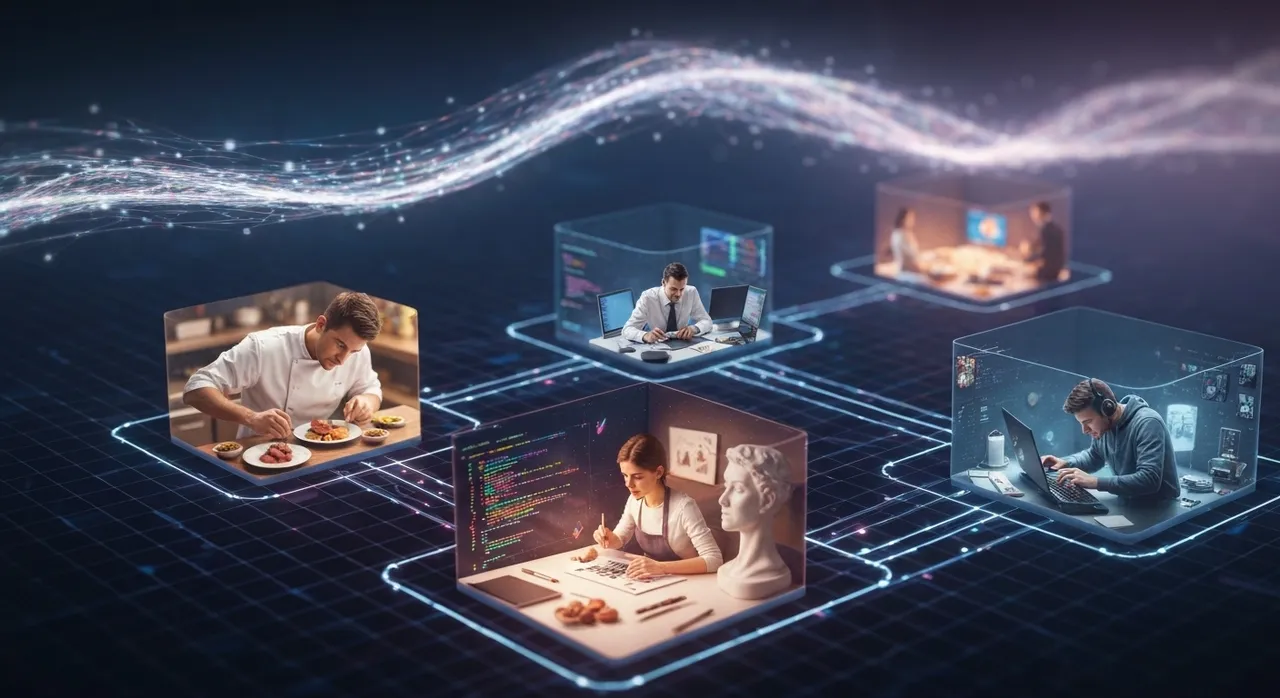
This algorithmic evolution has shattered the concept of a unified internet experience. Instead of a few viral sensations dominating global discourse, users are now presented with highly personalized feeds that cater to their specific interests, hobbies, and social circles. This “Great Fragmentation” means that while overall internet audiences continue to grow, their attention is increasingly splintered across a nebula of specialized apps, games, group chats, and forums. Users are choosing platforms not just for utility, but to express identity and lifestyle within these rapidly fragmenting spaces.
The Ascendancy of Niche Communities and Authentic Connection
In this fractured landscape, the power dynamic has shifted from broad appeal to deep, meaningful connection within specialized communities. Consumers are experiencing “social media fatigue” and a general exhaustion with “cookie-cutter posts, recycled advice, and corporate-speak”. What truly resonates now is authenticity, relatability, and a willingness to take risks with content that feels genuinely human.
Authenticity, Relatability, and Risk-Taking: The New Content Imperatives
Digital authenticity has become a necessity, not just a branding choice. Audiences in 2026 are more informed, observant, and skeptical, demanding transparency and genuine connection from brands and creators alike. They seek content that shares real stories, behind-the-scenes processes, and even open acknowledgements of challenges, rather than polished, curated perfection. This human-centric approach builds trust, which in turn leads to higher engagement rates and stronger customer relationships.
According to experts, content that communicates empathy, relatability, and integrity consistently outperforms campaigns focused solely on conversion tactics. This emphasis on “real over perfect” encourages creators to embrace unpolished photos, live video, and user-generated content that truly reflects their identity. AI-generated content, while prevalent, must still retain a human touch, as audiences can easily spot robotic or impersonal posts.
Micro-Influencers and Employee Advocacy: Amplifying Trust
The shift towards authenticity has propelled micro-influencers and employee advocacy into the forefront of effective digital marketing strategies. The global influencer marketing industry is projected to exceed $32 billion in 2026, but the playbook has been rewritten. Brands are moving away from celebrity endorsements towards networks of authentic creators with deeply engaged, niche audiences.
Key advantages of micro and nano-influencers (1,000 to 100,000 followers) include:
- Higher Engagement Rates: Micro-influencers deliver 60% higher engagement rates than mega-influencers (over 1M followers) at approximately 1/10th the cost per post. Nano-influencers often surpass 8% engagement rates.
- Increased Trust and Conversion: Their audiences are more niche, more trusting, and significantly more likely to act on recommendations. They feel like “knowledgeable friends sharing discoveries” rather than celebrities endorsing products. Nano-influencers achieve the highest trust metrics and conversion rates two to three times higher than macro campaigns.
- Cost-Effectiveness: Performance-based compensation models, such as affiliate commissions and hybrid fixed-fee-plus-commission structures, are becoming standard, aligning incentives and reducing risk for brands.
Similarly, employee advocacy has emerged as a powerful, cost-effective strategy. Employees are seen as two times more trustworthy than a company CEO. Businesses implementing employee advocacy programs report a 27% increase in online engagement and a 19% rise in sales within the first year. Benefits for companies include:
- Enhanced Brand Visibility: Employee social media posts can reach 561% more people compared to brand accounts.
- Greater Trust and Authenticity: Content shared by peers connects with audiences on a human level, fostering a more humanized and trusted brand perception.
- Reduced Marketing Costs: Employee advocacy offers a lower cost-per-click than paid channels, often under $1, and generates earned media value.
- Improved Employee Engagement and Recruitment: Programs foster pride, alignment, and a sense of belonging among employees, leading to higher retention and attracting top talent. 94% of employee advocates report career benefits from posting on platforms like LinkedIn.
This shift reflects a desire for predictability, identity, and belonging amidst digital chaos and fatigue.
Beyond Passive Consumption: The Call for Intentional Engagement
The contemporary digital user is moving away from passive, endless scrolling towards more intentional, participatory engagement. This means seeking out spaces where authentic discussions thrive and where their contributions are valued. Social media platforms are increasingly becoming search engines themselves, with users directly searching for information and recommendations within apps like Instagram and TikTok.
Reddit and the Resurgence of Authentic Dialogue
Platforms that facilitate genuine community and discussion, such as Reddit, are gaining significant importance. Reddit has emerged as a critical research engine and influential platform for brand discovery, with 116 million daily active users and 443.8 million weekly active users worldwide.
Key statistics highlight Reddit’s growing influence in 2026:
- 82% of Gen Z users trust Reddit for product research and recommendations.
- 74% of Reddit users report that the platform directly influences their purchasing decisions.
- 90% trust Reddit for learning about new products and services.
- The platform ranks for over 595 million keywords in Google search results, extending its reach beyond its own ecosystem.
For brands looking to engage on Reddit, the strategy must be “community-first.” This involves:
- Thinking in Threads, Not Campaigns: Focusing on existing conversations rather than launching standalone posts.
- Using Reddit as a Research Engine: Extracting insights from discussions to understand audience pain points and refine messaging.
- Identifying Relevant Subreddits: Prioritizing smaller, well-moderated communities where engagement is higher and genuine contributions are valued.
- Prioritizing Comments Over Posts: Thoughtful comments that offer insights and solve problems often outperform original posts in terms of visibility and impact.
Authenticity and adherence to community rules are paramount on Reddit; attempts at overt marketing or using fake accounts are quickly identified and punished. Successful engagement requires patience and a willingness to be a genuine contributor to the community.
Navigating the Niche: Strategies for Sustainable Growth
For brands and creators, the implications of this shifting landscape are profound. The focus keyword, Rise of Niche Content, isn’t just a trend; it’s the foundation for sustainable digital growth. Monetization in this new era relies less on achieving massive, fleeting virality and more on cultivating deep, loyal relationships within specialized communities. Creators are diversifying their income streams, moving beyond ad revenue to models that reward direct fan engagement. These include subscriptions, paid direct messages, digital product storefronts, exclusive group chats, and livestreaming with tipping features. Platforms like Passes.com, for example, offer creators significantly better revenue splits, allowing them to keep up to 90% of their earnings.
To succeed, businesses must adapt their content strategies to:
- Optimize for Search on Social: Captions and hashtags now function like SEO metadata on platforms like Instagram and TikTok, requiring keyword optimization for discoverability.
- Embrace Long-Form and Serialized Content: While short-form video remains dominant, there’s a comeback for longer formats and docuseries-style content that offers deeper storytelling and emotional connection.
- Invest in Creator Partnerships with Purpose: Focus on long-term collaborations with micro and nano-influencers whose values align with the brand and who can genuinely resonate with their niche audiences.
- Build Owned Audiences: Prioritize email lists, text messaging, and private fan communities that brands control, reducing reliance on unpredictable algorithms.
- Localize Content for Emotional Alignment: Audiences respond better to content that reflects cultural familiarity—language, visual cues, and humor specific to their region.
Conclusion
The internet of 2026 is a far cry from its earlier, more chaotic days. The fleeting glory of broad virality has given way to the sustained power of deep, authentic connection within niche communities. Algorithms, once drivers of mass appeal, now meticulously tailor content to individual preferences, fostering a fragmented but more personalized digital experience. For brands and creators, the message is clear: the path to influence and monetization lies not in chasing fleeting trends, but in cultivating genuine relationships, embracing authenticity, and consistently delivering value to engaged, specialized audiences. The future of digital content belongs to those who prioritize realness, relatability, and risk-taking, fostering human conversations that transcend the algorithmic noise.
Tags
Written by
TempMail Ninja
Digital privacy and online security expert. Passionate about creating tools that protect users' identity on the internet.